When Old Floors Tell the Truth About a House
I’m sharing this story because so many people run into this exact problem, especially when they buy an older house or move into a place that has already lived a full life before them. Old floors have a way of quietly recording everything that happened on them, the good years, the messy years, the pets,…
I’m sharing this story because so many people run into this exact problem, especially when they buy an older house or move into a place that has already lived a full life before them.
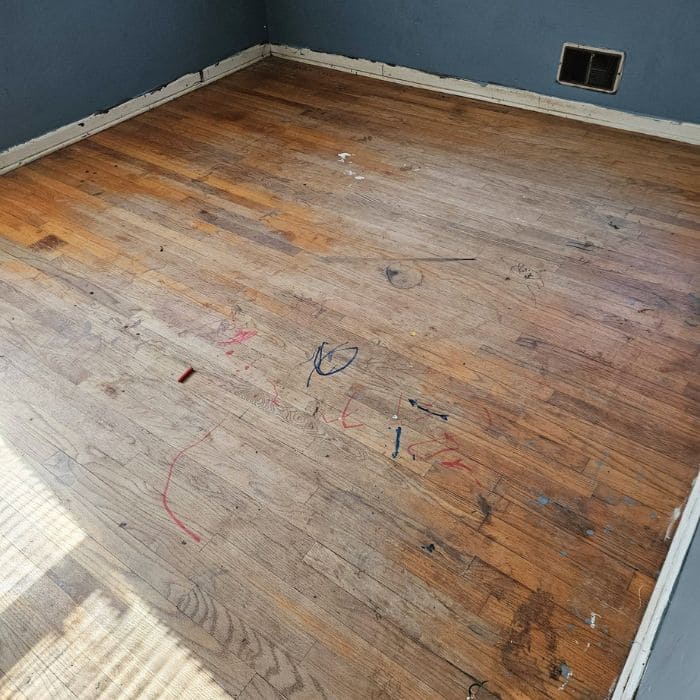
Old floors have a way of quietly recording everything that happened on them, the good years, the messy years, the pets, the kids, the leaks, and the seasons that were harder on the house than others.
Even if you buy a brand-new home today, this is still something you may face down the road, and knowing how to deal with it early can save you years of frustration.
This house was my old place in Savannah, Georgia, a city known for its beauty, history, and constant moisture in the air.
The humidity here never really takes a break. Summer feels wet and heavy, winters are mild but damp, and the floors and roof of any older house are always quietly fighting the climate.
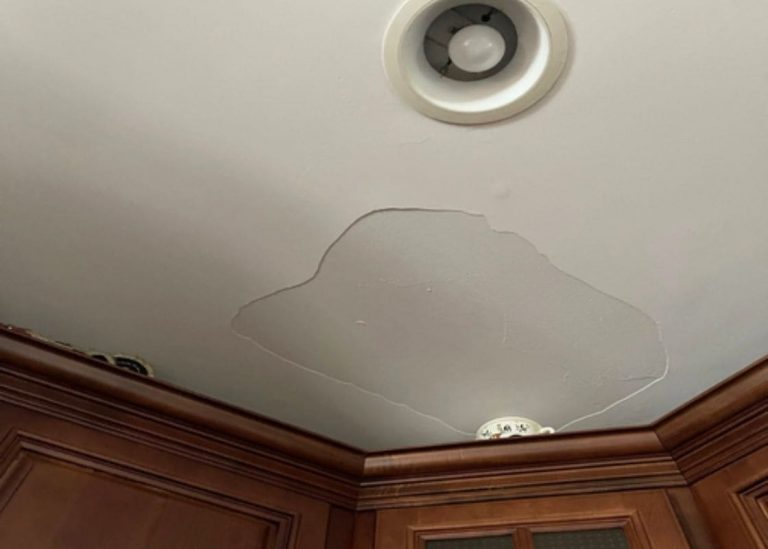
When I bought this house, it was already over twenty years old, and while it had charm, it also had plenty of signs that time and moisture had done their work.
The Reality of an Older Home in a Moist Climate
Savannah is not kind to wood. The air carries salt, moisture, and heat, and all three slowly wear things down.
When I first walked through the house, the floors were the first thing that caught my attention.
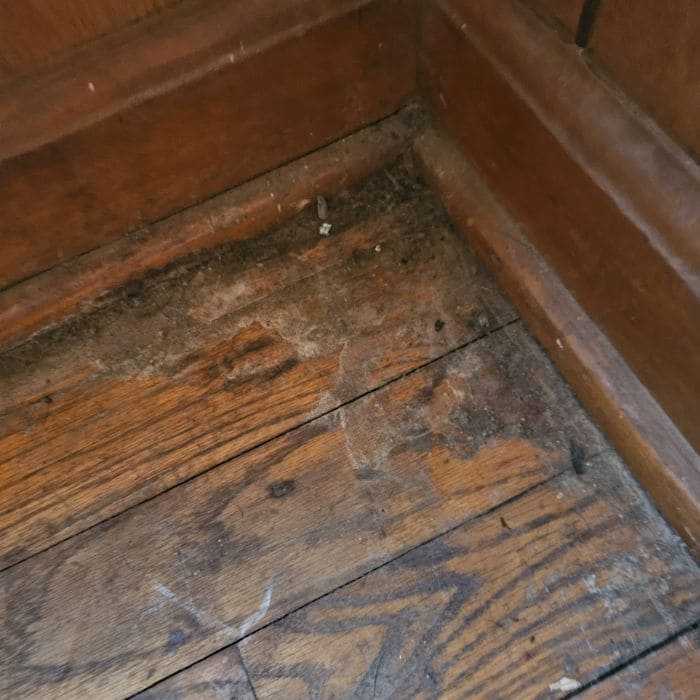
They looked tired. In some rooms, you could see dark patches near the walls where moisture had settled over the years.
In others, there were obvious pet stains from the previous owner, places where animals had chosen the same spot again and again.
The wear wasn’t just cosmetic. Some boards felt softer underfoot, especially near exterior walls and windows where humidity and temperature changes were constant.
There were scratches from furniture being dragged, dull areas where foot traffic had worn the finish away, and rooms where the floor had lost its color entirely and looked gray and thirsty.
At that point, many people would assume replacement was the only option.
I didn’t want to do that. These were solid hardwood floors, and I knew that with the right treatment, they could be protected instead of torn out.
Understanding What You’re Really Dealing With
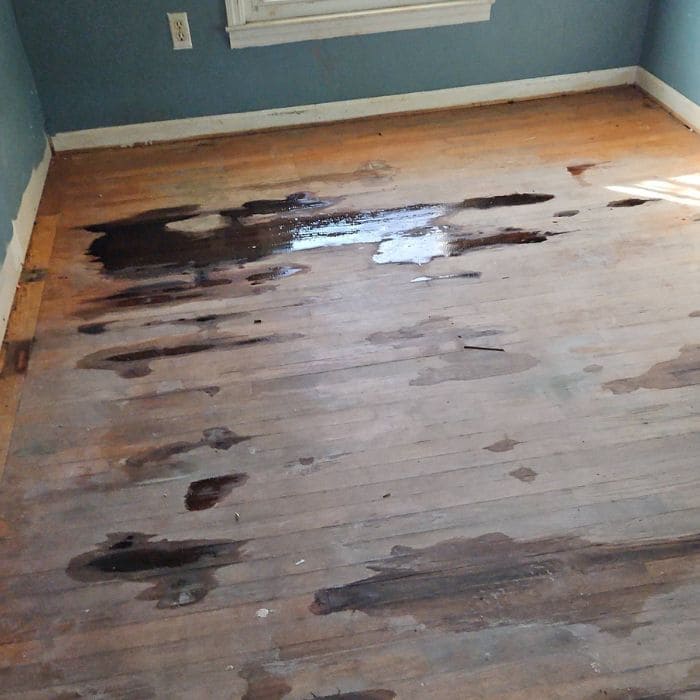
Before touching anything, I spent time understanding what the floor had been through. Moisture damage behaves differently than simple wear.
Pet stains tend to sink deep into the wood fibers, not just the surface. High-traffic areas compress the grain over time, which makes finishes fail faster if they aren’t built to handle stress.
In this house, the worst areas were the living room, hallway, and bedrooms closest to the backyard.
Those spaces saw the most foot traffic and were also closest to moisture sources like doors, windows, and exterior walls. The quieter rooms looked better, but even they showed signs of age.
The key lesson here is that not all rooms should be treated the same way. Floors need protection based on how they’re used, not just how they look on day one.
Why I Chose Heavy-Duty Polyurethane
Instead of using a standard residential floor finish, I chose a professional-grade gym floor polyurethane.
This is not the cheapest option, and it’s not what most people instinctively reach for when refinishing a home floor. But there’s a reason gym floors last for decades under constant abuse from shoes, equipment, and cleaning machines.
This type of polyurethane is designed to handle repeated impact, moisture exposure, and abrasion without breaking down quickly. It cures harder, bonds deeper into the wood, and builds a protective shell instead of a thin surface layer.
I decided to apply five full coats in the rooms that got the most traffic or showed pet damage. That’s more than most residential jobs, but I wanted durability, not just a quick cosmetic fix.
The Process That Made the Difference
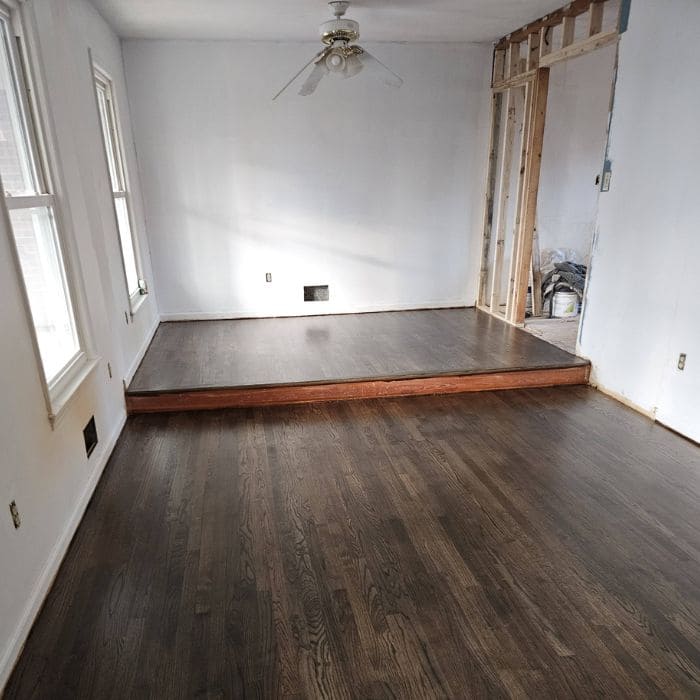
Preparation mattered just as much as the finish itself. I thoroughly cleaned the floors, removed any residue, and lightly sanded to open the wood grain so the polyurethane could bond properly.
In areas with pet stains, I took extra time to neutralize odors and seal the wood before applying the first coat.
Each coat was applied evenly and allowed to cure fully before the next one went down. This wasn’t rushed.
Some days were spent waiting rather than working, especially in humid weather when curing times stretch longer. Patience here is critical. Rushing the process traps moisture and weakens the finish over time.
By the time the fifth coat went on, the floors had a deep, consistent finish that didn’t look plasticky or artificial. They still looked like wood, just protected wood.
Five Years Later, the Floors Still Look New
This is the part that made the extra effort worth it. Even after years of heavy use, pets, furniture moving, and Savannah’s relentless humidity, the floors held up beautifully.
There were no dull traffic lanes, no worn-through spots, and no peeling or clouding in high-moisture areas.
The rooms that received the five coats looked almost untouched. The protection layer absorbed the wear instead of the wood itself, which is exactly what you want.
Maintenance became easier too. Dirt stayed on the surface, spills wiped up cleanly, and the floors didn’t require constant refinishing or patching.
Why Spending More Upfront Saves You Later
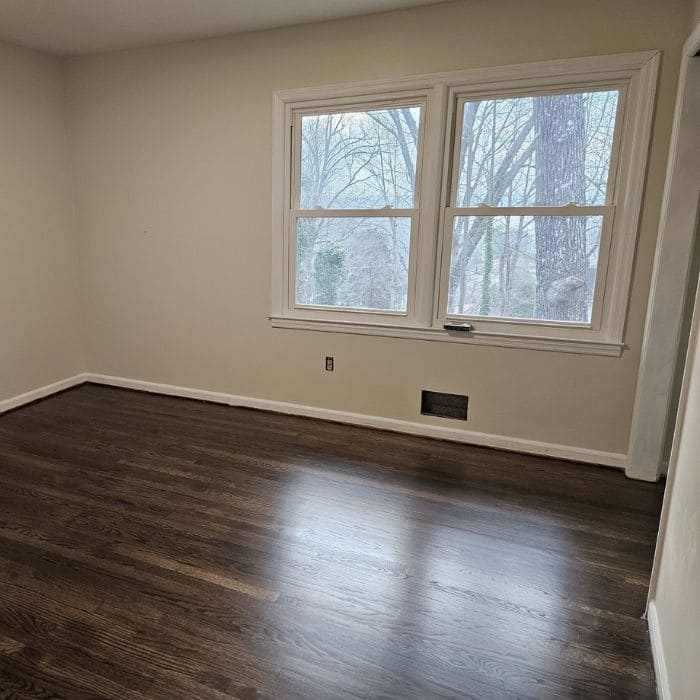
This approach isn’t about luxury. It’s about longevity. Spending more on top-of-the-line materials saved me from having to redo the floors again within a few years.
Cheap finishes break down faster, especially in moist climates, and once they fail, you’re back to sanding, recoating, or replacing boards altogether.
For anyone dealing with an older house, especially in humid regions like the Southeast, this matters.
Floors and even roofs take a beating from moisture long before obvious damage appears. Protecting them properly early on buys you years, sometimes decades, of peace of mind.
Lessons I Still Use Today
Even though I moved to a new place five years ago, this is a method I still keep in mind and recommend whenever I’m dealing with wood floors.
Old floors don’t have to be a problem. They’re only a problem when they’re ignored or treated with shortcuts.
With the right approach, they can outlast trends, renovations, and even owners, quietly doing their job beneath your feet, year after year.
If you’re standing in a room right now looking at worn wood and wondering if it’s worth saving, it probably is. You just have to protect it like it deserves.