The Restored Master Bedroom I Was Impressed
Five years ago, long before this website existed and back when my idea of a road trip was “sure, three hours is basically nothing,” I got a call that made me grab my keys without even asking many questions. A friend of a friend mentioned an 1889 Queen Anne house in upstate New York that…

Five years ago, long before this website existed and back when my idea of a road trip was “sure, three hours is basically nothing,” I got a call that made me grab my keys without even asking many questions.
A friend of a friend mentioned an 1889 Queen Anne house in upstate New York that was mid-restoration, and they casually added, “You’d probably like the bedroom they’re working on.”
That sentence alone was enough. I left early, coffee in a travel mug that definitely leaked, GPS set for a small town outside Oswego, and zero expectations except the hope that the house would be interesting enough to justify the drive.
Three hours later, after passing more barns than coffee shops and questioning my life choices at least twice, I pulled up in front of a house that immediately shut all that doubt down.
First Steps Into A House That Wasn’t Finished Yet
The owners met me at the door wearing work clothes, the good kind that tell you real work is happening.
Inside, the house smelled like old wood, fresh plaster, and that faint dusty scent you only get when history is being peeled back layer by layer.
“This one’s still a mess,” one of them said cheerfully, gesturing down the hall. “But it’s a good mess.”
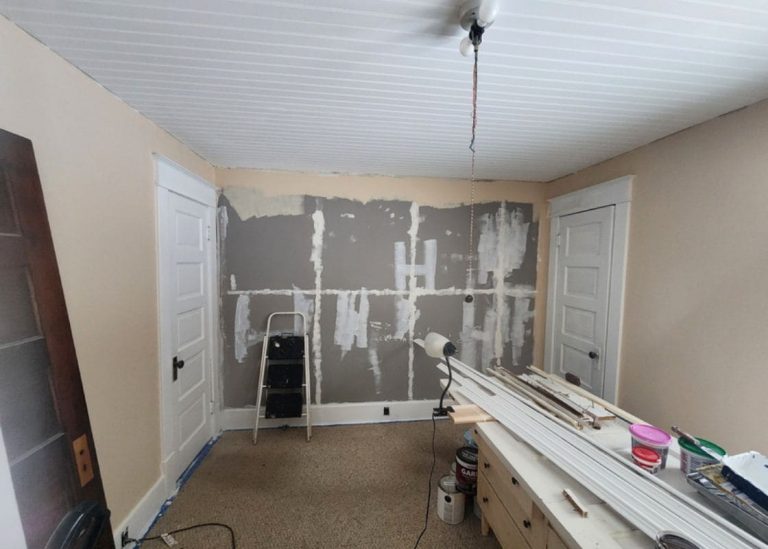
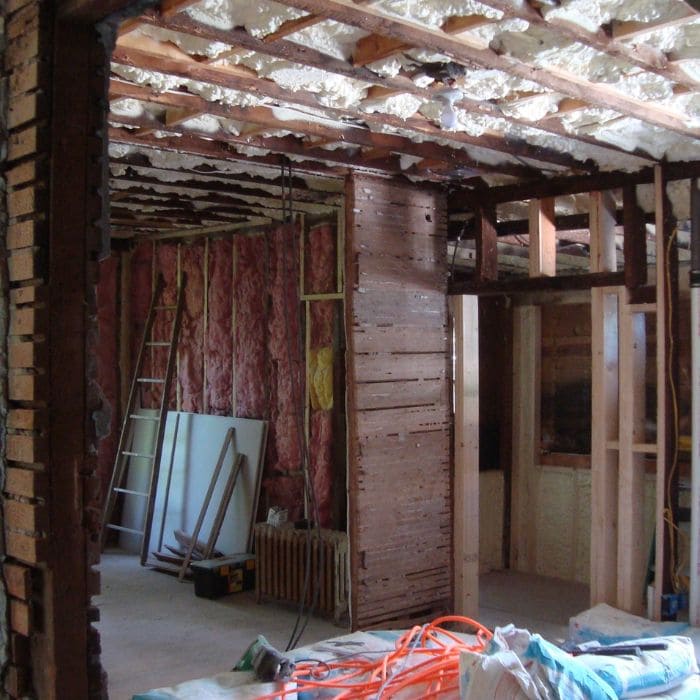
That hallway led straight toward what would eventually become the master bedroom, though at the time it looked more like a crime scene for bad renovations.
Walls were open, insulation was visible, wires went places wires should never go, and the ceiling looked like it had been negotiated down over several decades by people who really did not want to deal with problems properly.
I stood there thinking, “Wow, this room has been through some things.”
When A Room Loses Its Identity
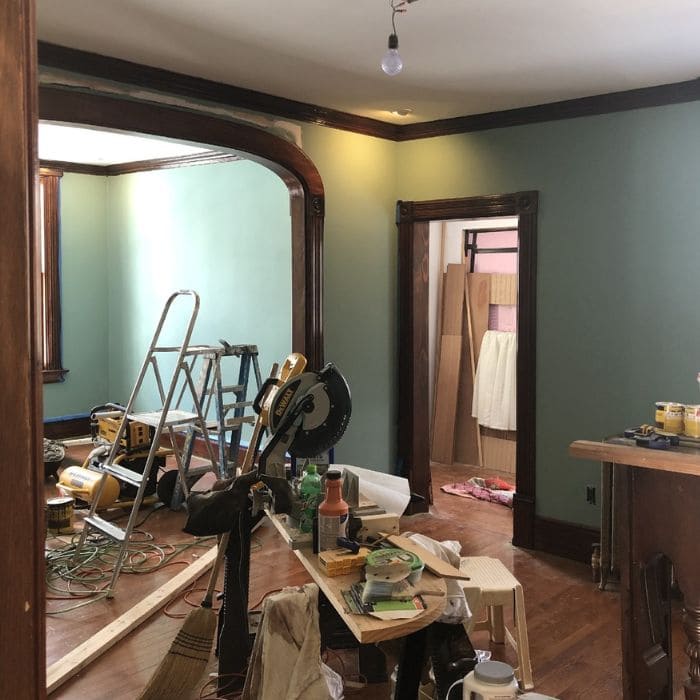
What struck me immediately was that the room didn’t feel small or large, it felt confused.
The proportions were off, the transitions were abrupt, and the space didn’t flow the way an 1880s Queen Anne room should.
The original arches were gone. Cut straight through, squared off, erased like someone thought curves were a personal insult. Trim had been removed in chunks, not carefully, but aggressively, as if it had lost an argument.
One of the owners laughed and said, “The before photos are almost embarrassing,” and then added, “But you should have seen it before we started.”
That was my first clue this restoration was being done by people who understood restraint, patience, and the difference between fixing and undoing.
The Decision That Changed The Room
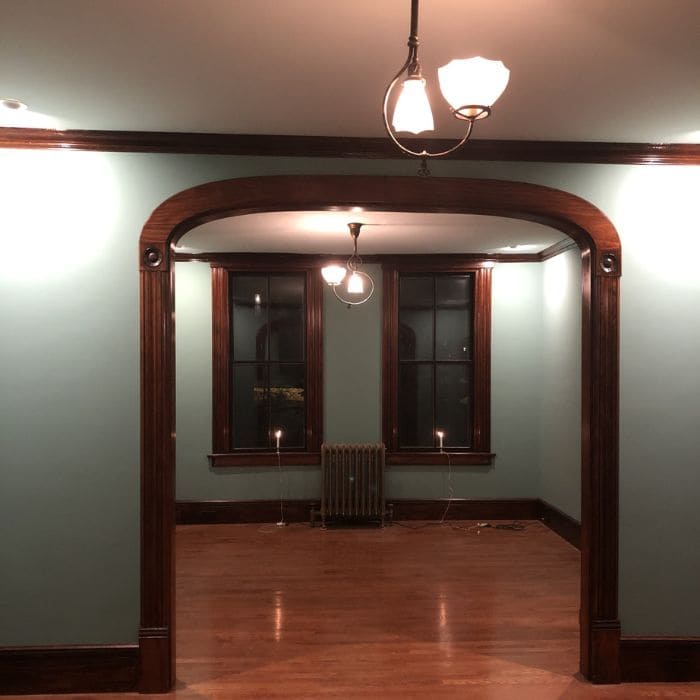
At some point, standing there with exposed studs and half a ceiling, one said, “We’re bringing the arches back,” and no one argued, not even a little.
Restoring arches in a Queen Anne is not optional if you care about the house making sense again. These homes were designed with soft transitions between spaces, not harsh doorways and square cuts.
Rebuilding them meant studying what little evidence remained, comparing other rooms, and accepting that nothing would be perfectly symmetrical. Queen Anne architecture is polite, not precise.
When the first rebuilt arch finally went up, one of the owners stepped back and said, “Okay, now it’s breathing again,” which is exactly what it felt like.
Woodwork That Fools Almost Everyone
Once the arches were back, the woodwork became the next conversation, and this is where the room really started to win people over.
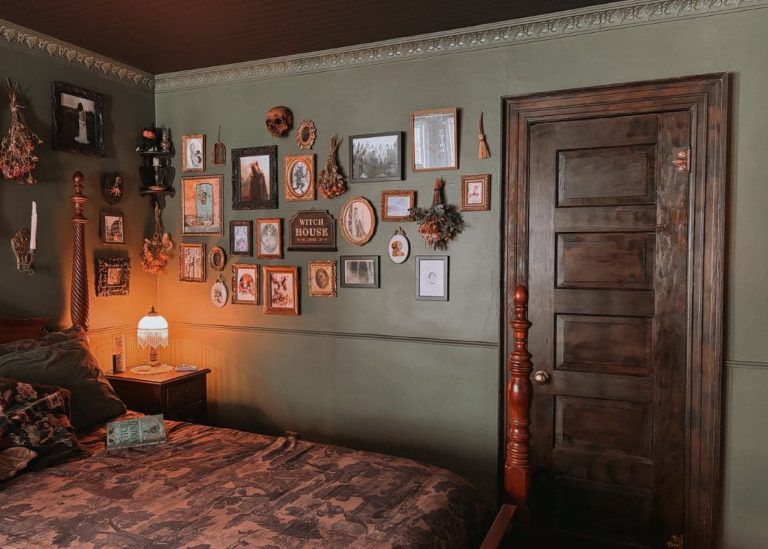
Visitors now often assume the trim is mahogany, because it has that deep, warm glow that feels expensive.
It’s not. The wood is clear pine, finished with a mahogany stain and sealed with amber shellac, which was absolutely common in the late 1800s.
Pine was practical, local, and honest, and shellac gave it richness without pretending to be something it wasn’t.
One of the owners joked, “If we told people it was mahogany, no one would question it,” and then immediately followed with, “But that’s not the point.”
In different light, the wood changes character. In the morning it feels grounded and calm. At night it glows just enough to remind you that the room has earned its warmth.
The Glass That Almost Ended Up In The Trash
My favorite detail in the entire room is the one most people miss until it’s pointed out.
Above the doorway sits a transom window filled with coke bottle bottom glass, thick, wavy, imperfect, and absolutely irreplaceable.
That glass did not come with the house. A local hardware store, Raby’s Ace in Oswego, called the owners one day because someone had removed a set of old windows from another building and planned to throw them out.
The staff recognized the glass immediately and refused to let it disappear. Those windows were free, which is hilarious considering how much value they added.
When installed into the transom, the light changed completely. It softened. It moved. It stopped behaving like modern light and started acting like nineteenth-century light again.
Fixing The Ceiling Without Cheating
The ceiling was another battle. Years of shortcuts had lowered it, hidden wiring, and flattened the room’s proportions. Restoring it meant undoing all of that, which is always harder than leaving things alone.
When the ceiling was finally lifted back to where it belonged, the room immediately felt taller, calmer, and more confident. Period-appropriate fixtures were chosen, nothing flashy, nothing trendy, just pieces that knew how to behave.
At one point someone suggested recessed lighting, and the response came fast. “That’s how houses like this get tired.”
Seeing The Finished Room Years Later
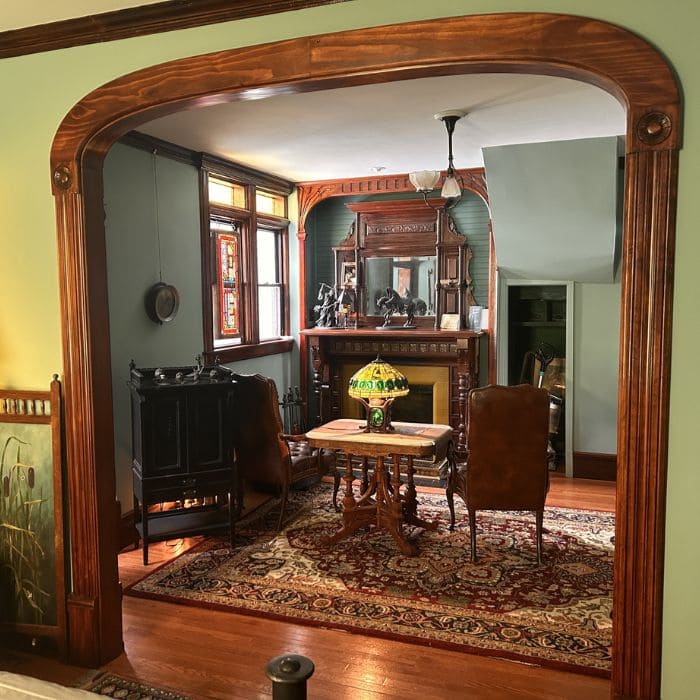
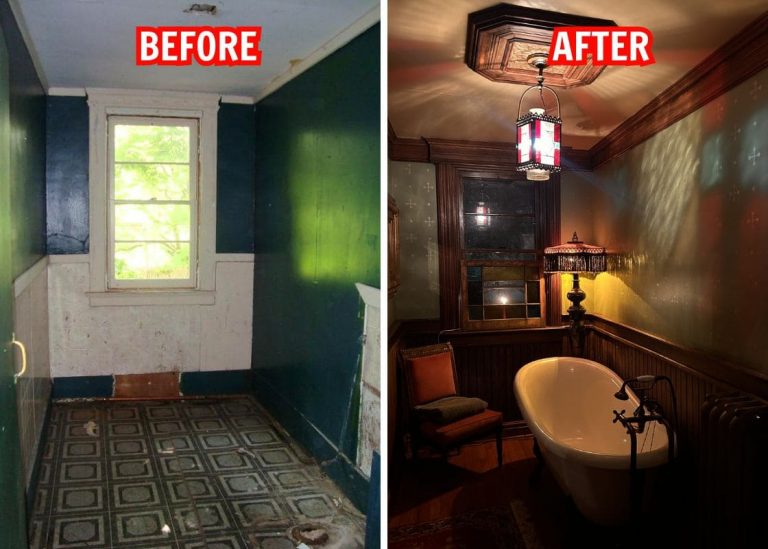
When I see photos of the finished master bedroom now, I still think about that first visit, standing in dust and insulation, wondering how anyone could see past the chaos.
The arches now guide the room gently, and the woodwork anchors it. The glass softens everything without demanding attention.
The room feels calm, confident, and complete, without trying to impress anyone.
When I visited again later, one of the owners smiled and said, “It finally feels like it belongs to the house again,” which might be the highest compliment a restored room can receive.