Oh! The Ceiling in My Grandparents House Fell on Me
Some months ago, I went back to my grandparents’ house in Miami, Florida. You know the kind. I enjoyed coffee at the kitchen counter, slowly walking through rooms you already know by heart, pointing out small changes like they’re headline news. I had no reason to expect drama. I certainly did not expect the ceiling…

Some months ago, I went back to my grandparents’ house in Miami, Florida. You know the kind.
I enjoyed coffee at the kitchen counter, slowly walking through rooms you already know by heart, pointing out small changes like they’re headline news.
I had no reason to expect drama. I certainly did not expect the ceiling to introduce itself by landing on me.
This house sits quietly, the way old houses do, on a tree-lined street where the sidewalks still crack in polite patterns and the neighbors wave because they remember when your grandparents moved in.
It’s a 126-year-old home, built long before anyone worried about drywall thickness or recessed lighting. My grandparents have lived here for decades, and about ten years ago the house went through a major redo.
This is not a flip, not a cosmetic makeover, but a careful renovation meant to keep the place standing and livable without stripping it of its age.
Walking Back Into a Familiar House
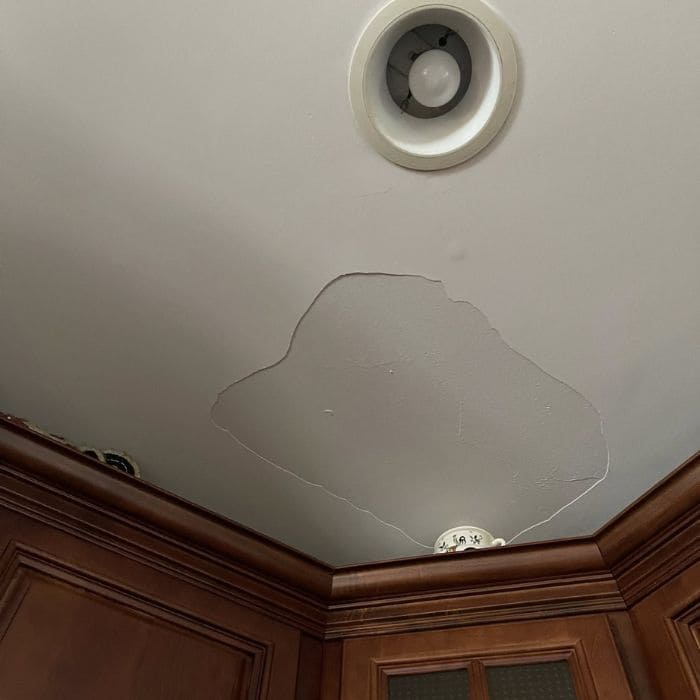
The ceiling incident happened in a back room of their living room, not one of the showy spaces. Of course, no chandelier, no fancy trim, just a room you pass through without thinking.
I stepped in, looking up instinctively, the way you do in old houses because the ceilings always tell you more than the walls.
There was a faint spiderweb of cracking near the center, subtle enough that your brain dismisses it. Old house stuff, you tell yourself.
Paint settles, plaster shifts, and everything has always been fine before, so it will be fine now. That was the wrong conclusion.
I took two steps forward, felt a soft tap on my shoulder, and then something larger hit my arm and slid down to the floor.
For a split second, I just stood there, staring at the spot above me like it might explain itself. Then I looked down and saw a chunk of ceiling plaster the size of a dinner plate at my feet.
What Actually Fell
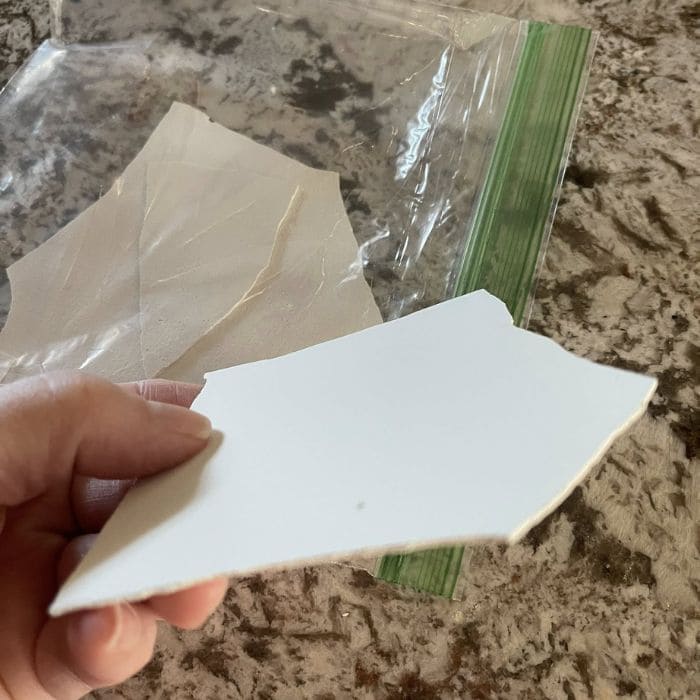
The piece that came down wasn’t modern drywall, or crumbly, chalky debris, it was old plaster, thick and heavy, with a smooth painted side and a rough, sandy back where it had separated from the lath.
When I picked it up later, I could feel how solid it still was. This was the age finally winning a quiet argument.
Plaster ceilings in houses like this were never meant to last forever. They rely on wooden lath strips and gravity-defying keys that hold the plaster in place.
Gradually, humidity changes, roof repairs, insulation upgrades, and even nearby vibrations can weaken those keys.
Ten years ago, during the renovation, the ceiling was stabilized and patched, but not replaced entirely. At the time, that made sense. It was holding, it looked fine, and full replacement would have meant tearing into history.
What nobody could predict was how moisture would move through the house over the next decade.
The Cause Wasn’t Dramatic, Just Persistent
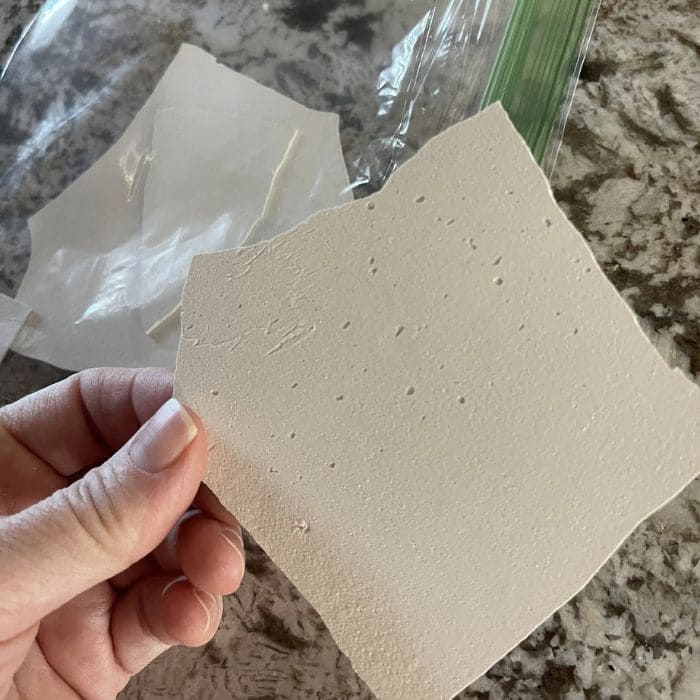
After the initial shock wore off, we started looking for answers. The truth was less exciting than a burst pipe and more frustrating than a single bad fix.
Moisture had been slowly collecting above that section of ceiling, likely from a combination of seasonal condensation and an old roof vent that didn’t quite seal the way it once did.
I held that broken piece of plaster in my hand, turning it over like it was a clue from a mystery novel. My grandmother stood behind me, arms crossed, looking more annoyed than worried.
“Well,” she said, “at least it waited until you were here.”
We all laughed, because laughter was easier than imagining what would have happened if that piece had fallen at night, or on a grandchild, or onto furniture that couldn’t shrug it off.
The Solution Was Careful, Not Rushed
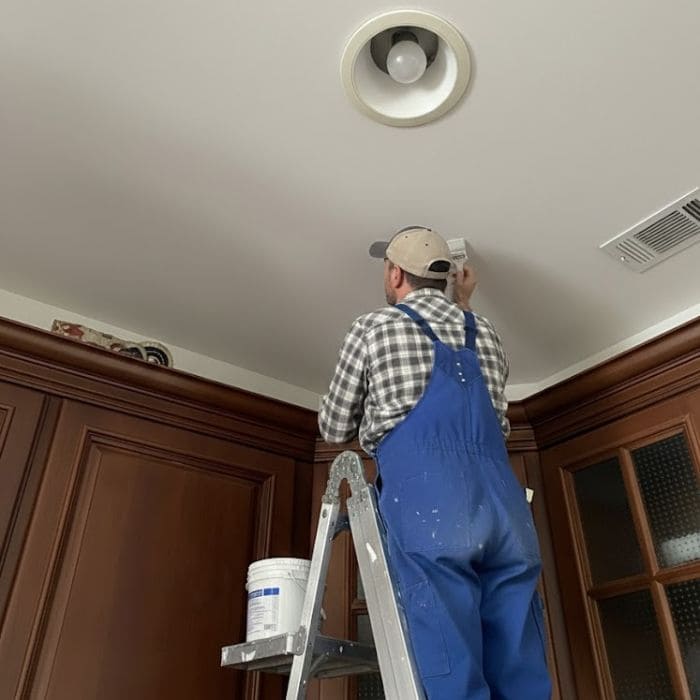
I thought the fix wasn’t to slap joint compound over the hole and call it a day. That would have been disrespectful to the house and foolish for the future.
Instead, my grandfather asked the handyman in this local area to open up the damaged area properly so the condition of the surrounding plaster could be checked.
After that, loose sections were removed, the lath inspected, and the underlying moisture issue addressed first.
Only after that did the repair happen, using materials that respected the original structure rather than fighting it. The patched area was blended, not hidden. You can still tell the ceiling has lived a life if you look closely, and that feels right.
What This Taught Me About Living With Old Ceilings
If you live in an old house, especially one with original or partially original plaster, ceilings deserve more attention than they get. Walls crack where you can see them, or even ceilings crack quietly, above your head, until gravity reminds you who’s in charge.
Pay attention to hairline cracks that form patterns instead of lines. Notice subtle texture changes. And trust your gut when something feels different, even if it doesn’t look dramatic yet.
And if your house was renovated years ago, don’t assume that means every problem was solved permanently. Renovations buy time. They don’t stop aging.
A Little Advice From Someone Who Took a Ceiling to the Shoulder
If there’s one thing I’d tell anyone caring for an old home, it’s this: treat small warnings seriously, even if they seem boring. Especially if they seem boring.
Get ceilings checked when you redo insulation. Ask questions when painters say, “That’s normal for old houses.” Sometimes it is. Sometimes it’s a countdown clock.
Also, keep your sense of humor intact. Old houses will humble you. They will test your patience and occasionally drop something on you when you least expect it.
If you can laugh, learn, and fix things properly, you’ll be rewarded with a home that still stands long after newer ones start to fail.
That day, the ceiling didn’t just fall on me, it reminded me that this house has been standing for 126 years because people paid attention when it spoke, even when it whispered. And luckily, it didn’t affect my grandparents lives, I really love them.