A Winter Knock on a 1928 Door in Colorado
Knock, knock, knock. Every winter, when Colorado slips into that quiet, powdered stillness that only mountain states know how to do properly, I am pulled back here again. This year was no different. The temperature dropped well below freezing, the sky turned that impossible shade of sharp winter blue, and the trees stood frozen mid-gesture,…
Knock, knock, knock.
Every winter, when Colorado slips into that quiet, powdered stillness that only mountain states know how to do properly, I am pulled back here again.
This year was no different. The temperature dropped well below freezing, the sky turned that impossible shade of sharp winter blue, and the trees stood frozen mid-gesture, their branches dusted in snow like they had been waiting for applause.
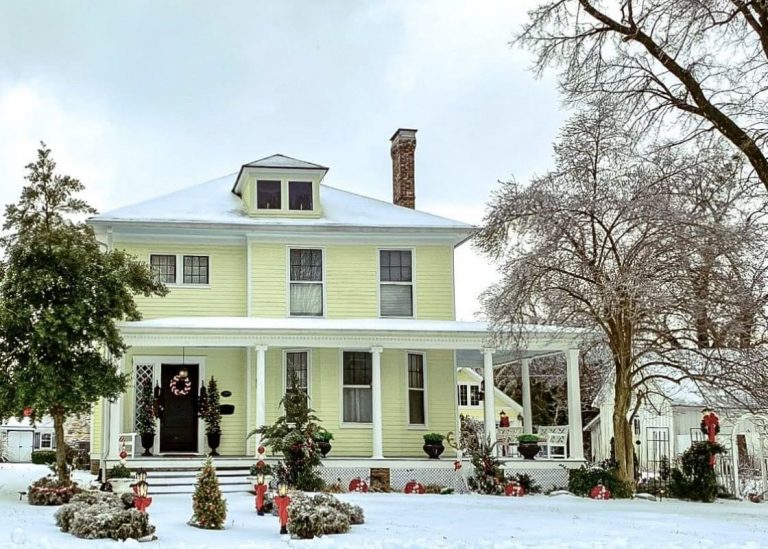
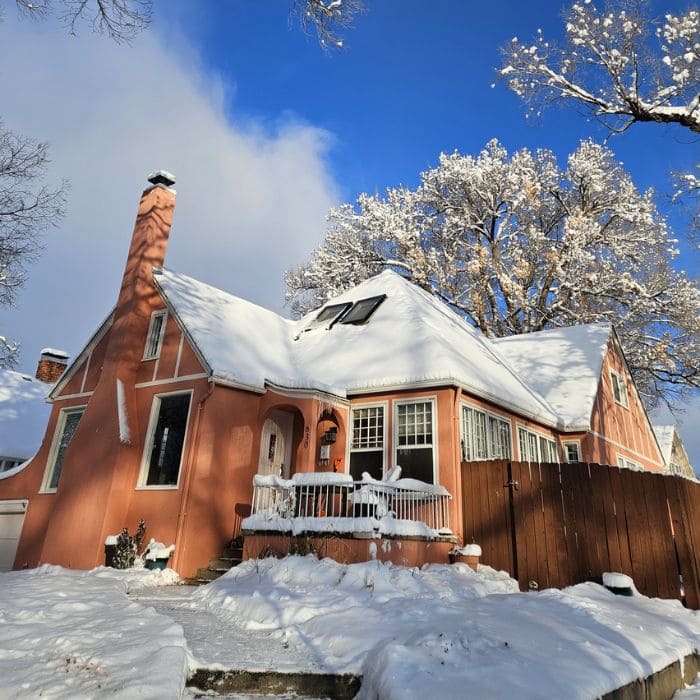
This house, tucked into a historic neighborhood full of kit homes, greeted me like it always does, unassuming at first glance, but impossible to forget once you really look.
It was built in 1928. Many of the surrounding houses follow similar blueprints, familiar silhouettes repeated down the street, but this one feels different.
Yes, it has been updated. From the outside in winter, the house is especially beautiful.
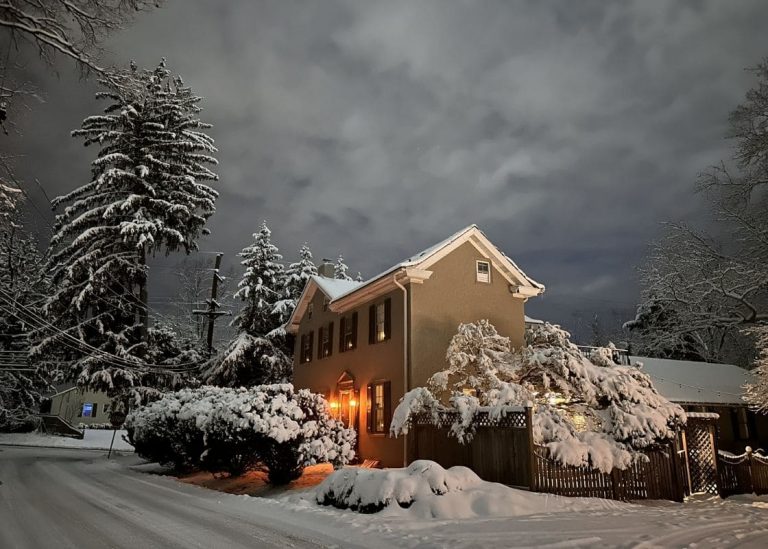
Snow settles thick along the steep rooflines, softening every edge and turning the peach-toned exterior into something almost storybook-like against the white ground.
The chimney stands tall and steady, releasing slow curls of smoke that drift upward and disappear into the cold sky.
Also, mature trees frame the house on both sides, their branches heavy with snow, casting long shadows that stretch across the yard in the late afternoon light.
A House That Grew With Time
The square footage surprises most people. With over 3,000 square feet, much of it added later by finishing the attic, the house feels generous without being overwhelming.
You sense that growth happened slowly, in thoughtful stages, not through a single dramatic expansion, but through years of living, adjusting, and responding to changing needs.
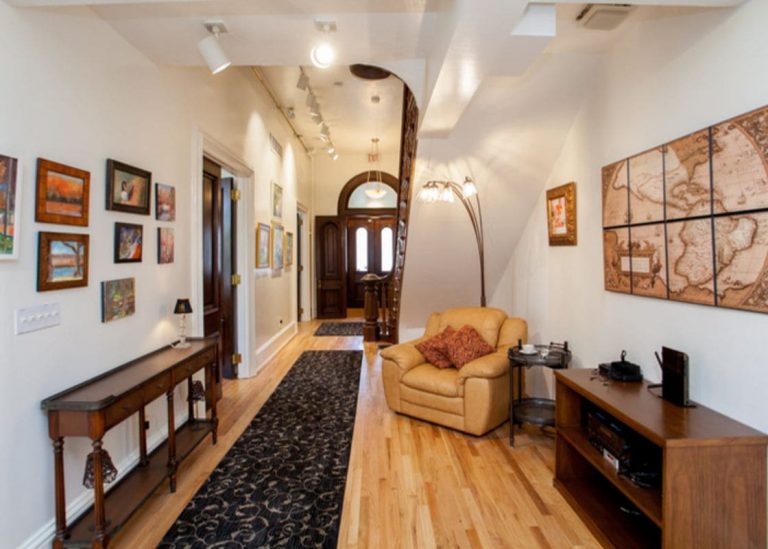
Stepping inside after the cold, the transition is immediate. Warm wood floors catch the light, and the temperature shift feels almost ceremonial, like crossing from one season into another.
Winter Living, Colorado Style
I am here because winter is when Colorado feels most like itself to me.
The mountains nearby promise fresh snow, clean lines carved into slopes, and long days of skiing that leave your legs sore and your mind empty in the best way possible.
Skiing has always been my escape, and staying here feels like cheating in the most delightful sense.
I do not pay rent, I do not juggle reservations, and I do not rush. A close friend lives here year-round, alone except for his dog, and every winter, the house becomes a shared retreat.
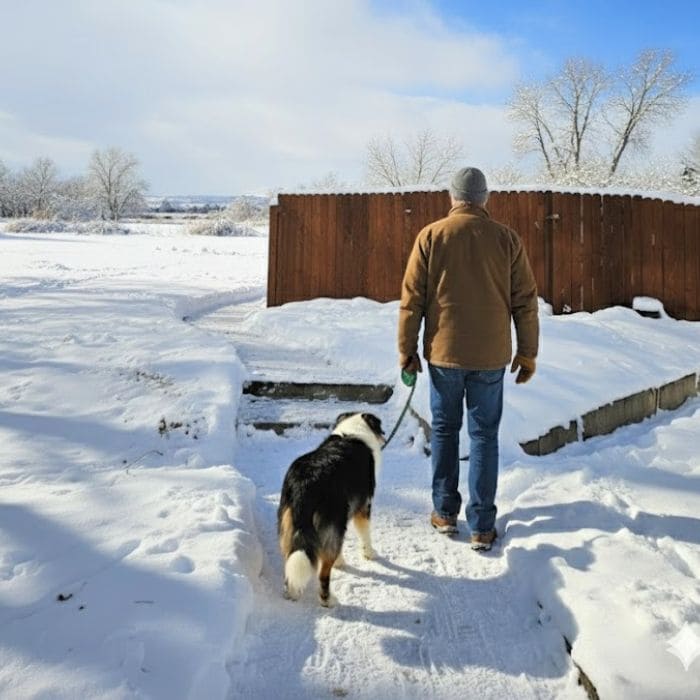
His dog, a calm, silver-muzzled Australian Shepherd named Rowan, moves through the house like he has memorized every sound it makes.
Rowan spends mornings watching snow fall through the front windows, afternoons asleep near the fireplace, and evenings waiting patiently for boots to come off so he can inspect where they have been.
A Space for Staying In
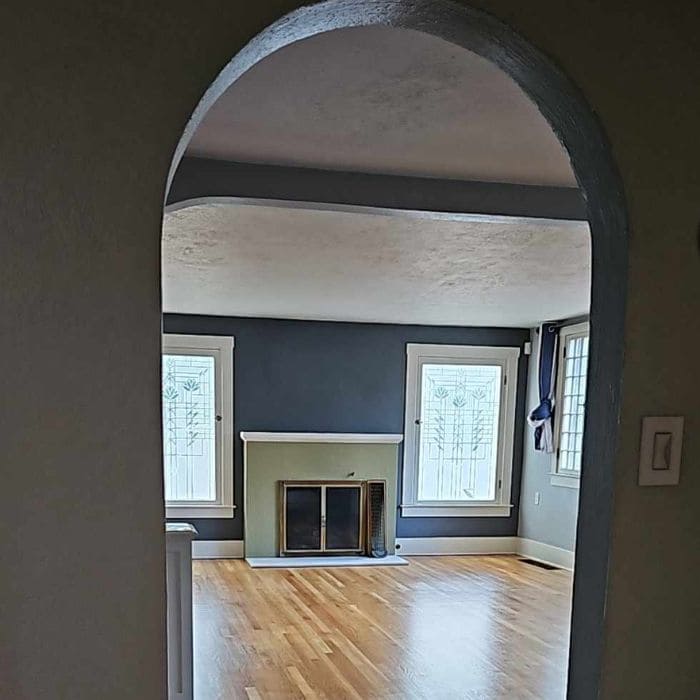
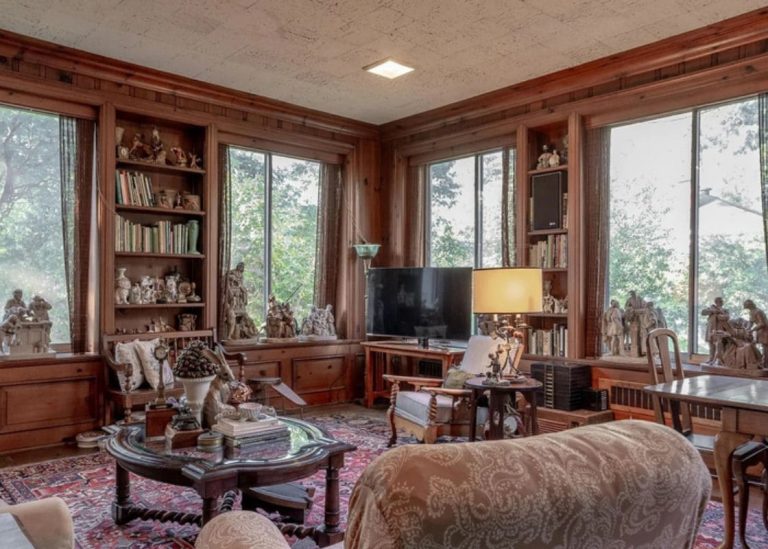
The main living area is expansive without feeling open-concept in the modern sense. Walls still define the space, offering corners and pauses, places where furniture settles naturally rather than floating awkwardly.
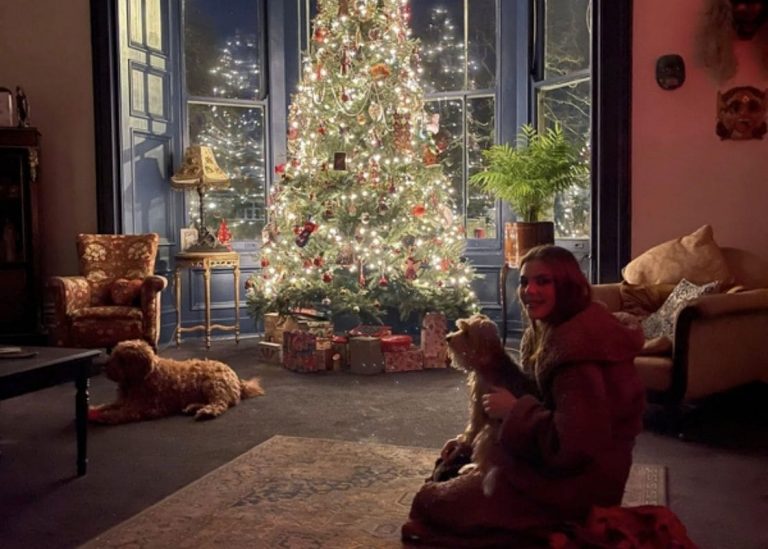
This is a room designed for long evenings. Deep seating faces the fireplace, where the crackle of burning wood becomes the soundtrack to slow conversations and even slower nights.
Books are stacked where they belong, not arranged for show, and throw drapes over chairs in ways that suggest they are used daily, not staged for photographs.
Light enters generously during the day through large windows, reflecting off the snow outside and filling the room with a soft, even glow.
In the evenings, lamps take over, casting warm pockets of light that make the room feel even larger by making it feel smaller in the right places.
A Home Office That Understands Balance
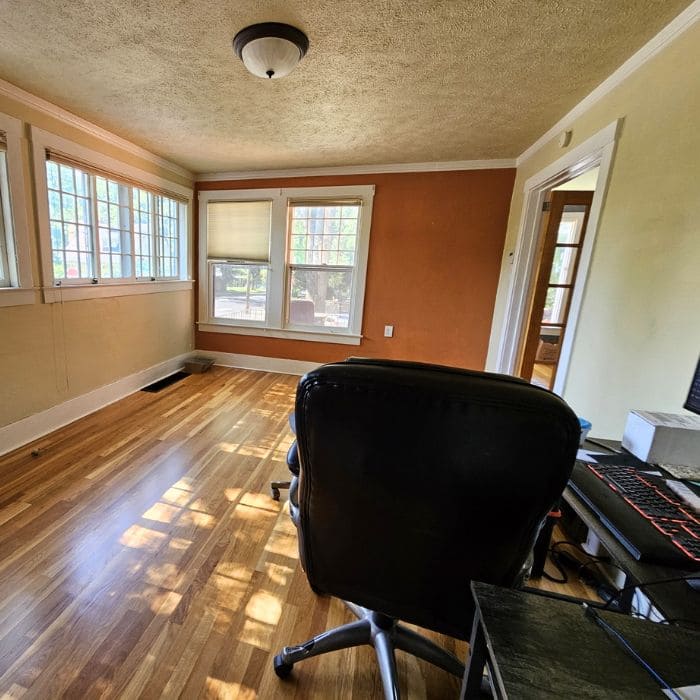
My friend works a hybrid job, splitting his time between remote days here and occasional trips into the city. His workspace sits slightly apart from the main living areas.
The room is simple, intentionally so, with a solid desk positioned near the windows, where winter light filters in without glare.
Hardwood floors ground the space, and the walls are painted in muted tones that keep distractions to a minimum.
This is not a workspace designed to impress clients on video calls, it is designed to function.
The chair is worn in exactly the right places, the desk bears the marks of years of use, and the entire room feels like it understands the difference between productivity and pressure.
A Kitchen Made for Real Life
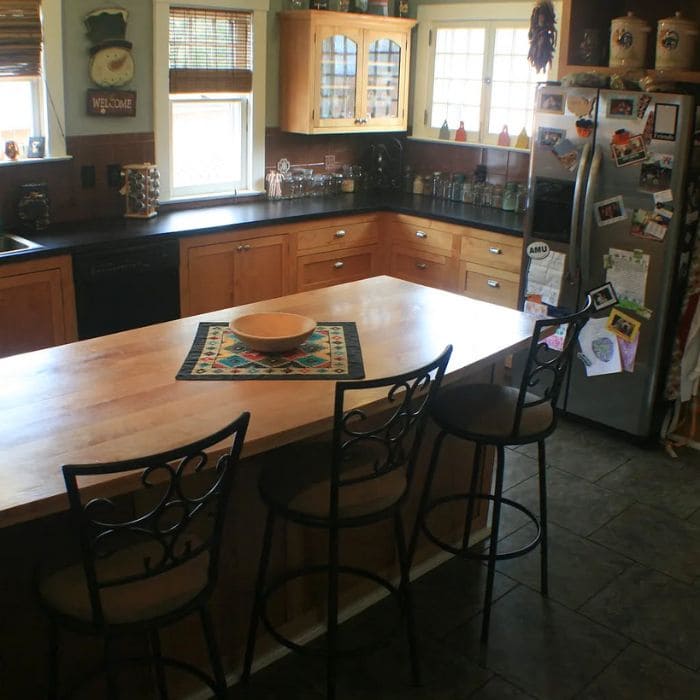
The kitchen is where the house feels most alive. Warm wood cabinetry lines the walls, paired with dark countertops that anchor the space visually and practically.
Windows over the sink let in winter light, making even simple tasks feel intentional.
Especially, the island sits at the center, wide enough to gather around, often becoming the place where breakfasts linger and dinners stretch longer than planned.
Appliances are modern enough to function well but not so new that they disrupt the house’s overall character. Magnets and notes cling to the refrigerator, reminders that life happens here daily.
Cooking in this kitchen feels grounding. There is space to move, space to pause, and space to share without anyone feeling crowded.
A Winter Haven That Keeps Its Soul
What makes this house special is the way everything works together quietly. In winter, under snow, it feels protected rather than buried, held rather than hidden.
The walls carry warmth, the floors creak just enough to remind you of their age, and the air inside feels calm even when the wind outside howls.
Every year, when I leave, I carry that calm with me for a while.
This house stands as proof that homes do not need to be new, perfect, or overly curated to feel extraordinary. Sometimes, all they need is time, patience, and winter light settling gently on the roof, waiting for the next knock at the door.