A House That Has Watched More Winters Than We Can Count
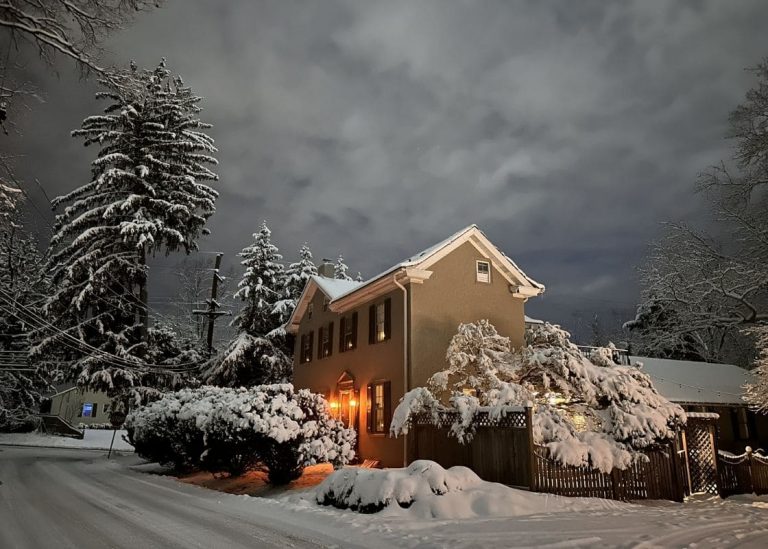
Knock, knock, knock… This house stands in Danville, Kentucky, on land my family traces back to the late 1870s, when the town was still stitching itself together with brick churches, limestone sidewalks, and long stretches of road meant for horses, not cars. According to my grandfather, the house was built just far enough from the…
Knock, knock, knock…
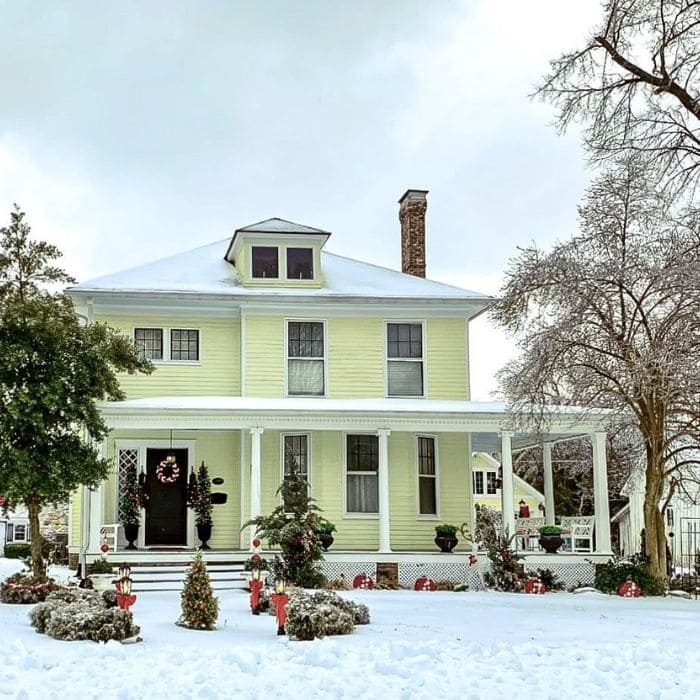
This house stands in Danville, Kentucky, on land my family traces back to the late 1870s, when the town was still stitching itself together with brick churches, limestone sidewalks, and long stretches of road meant for horses, not cars.
According to my grandfather, the house was built just far enough from the center of town to feel quiet, but close enough that church bells could still reach it on Sunday mornings if the wind came from the right direction.
A Winter That Refused to Let Go
The storm began gently, the way many dangerous things do.
Snow came first, soft and familiar, coating the yard, the porch railings, and the old garden beds in a way that felt almost comforting.
My grandfather took a few photos that first evening, mostly for the habit of it. He has always documented weather, as if afraid that if he didn’t, the house might forget it happened.
Then the temperature rose just enough for rain. Not a heavy rain, but a steady, cold drizzle that soaked into the snow and settled into every crack.
When the temperature dropped again, sharply and without apology, the entire property froze in place.
What looks like snow in these images is solid ice, layered and refrozen over two full weeks.
For the first seven days, my grandfather could not leave the house at all. The front door was sealed shut by a ridge of ice so thick it looked poured rather than fallen.
Even the back door, usually protected by the overhang, wouldn’t budge.
The Sound of Ice
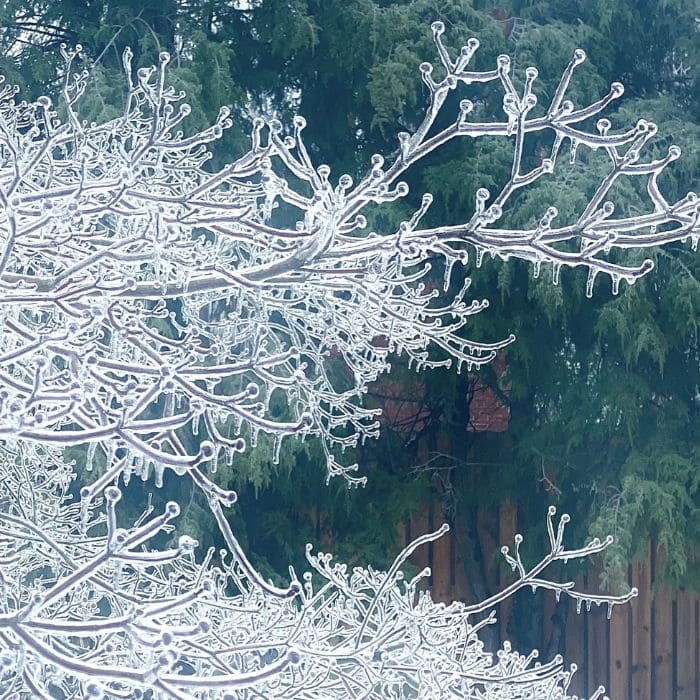
He told me later that the sound was the most unsettling part. Not the silence, but the noise that crept in slowly. Branches didn’t snap all at once.
They groaned. Long, stretched-out cracks echoed through the yard as limbs bent under the weight, sometimes holding, sometimes giving up hours later when no one was watching.
The evergreens including old cedars and spruces planted decades ago fared better than the rest.
Their needles shed ice gradually, dropping small shards all day long, while the bare-limbed trees surrendered in stages.
He counted three large branches down by the end of the first week, each one falling with a dull, final thud into the frozen ground.
A Yard Turned to Glass
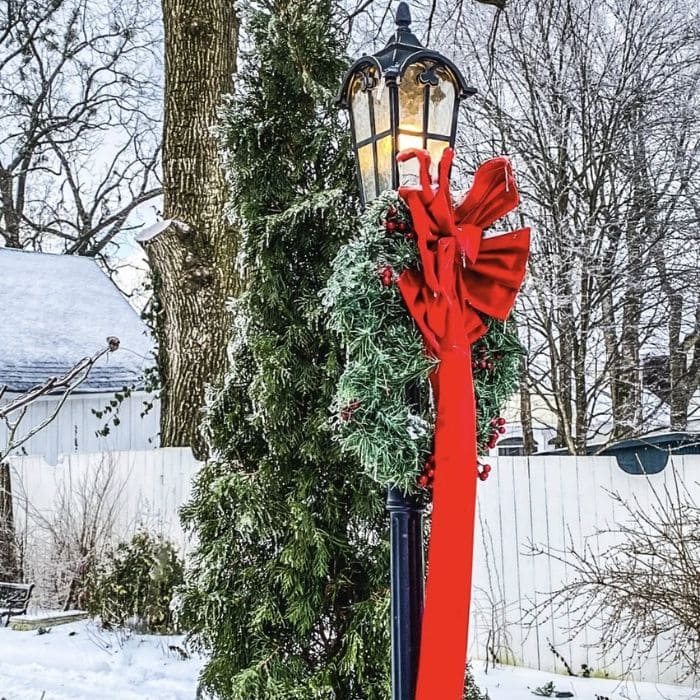
The lamppost near the drive stood wrapped in ice, its wreath frozen into the metal frame, the red ribbon stiff and unmoving. Icicles hung from the eaves in straight, deliberate lines, some nearly a foot long.
My grandfather later measured the thickest one with a ruler from his workshop, a habit he’s had since his carpentry days.
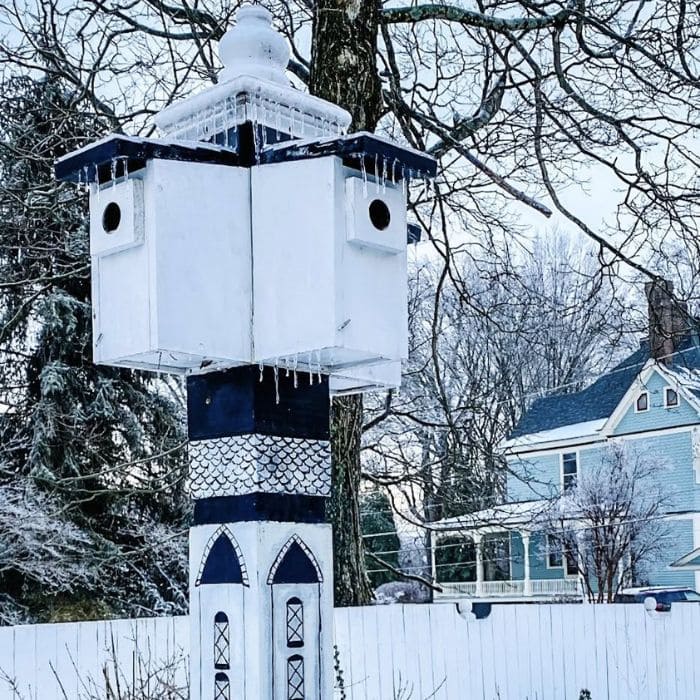
The birdhouse he built years ago, a tall, hand-painted structure shaped like a lighthouse, wore a crown of ice so heavy it bowed the post slightly.
Even the small fox head statue near the ferns was almost completely buried, its nose and eyes just visible above the ice.
“Looks like he got caught mid-thought,” my grandfather said into his phone as he recorded a short video, his breath fogging the lens.
Berry bushes froze mid-sway, each red berry encased in clear ice, hanging like ornaments no one planned to decorate.
Every step outside, once it was even remotely possible, had to be tested first with a shovel handle, tapping the ground to see whether it would hold or slide.
Inside the House, Time Slowed Down
Inside, life narrowed to essentials. He followed the same routine every day: coffee in the same chipped mug, radio on low for weather updates, boots lined up by the door even though he couldn’t use them.
The power flickered twice during the first week, enough to make him keep flashlights within reach at all times.
At night, the house felt larger. Old houses do that when they’re quiet. Rooms echo differently, and every small sound like ice shifting, wood tightening, wind brushing the siding feels magnified.
He slept lightly, listening, counting cracks in the distance, checking windows before bed to make sure nothing had broken through.
Why These Photos Stayed Hidden
Believe it or not, these images lived quietly on my grandfather’s phone for a long time. He never shared them, never printed them, never thought of them as anything more than a record of a difficult winter.
To him, they were practical proof, evidence of why he couldn’t leave, why paths stayed uncleared, why repairs had to wait.
When I finally saw them, what struck me was how deliberate they were. Each photo came from a familiar place: the same porch corner, the same window, the same stretch of yard.
He was documenting endurance, the slow, patient kind that old houses understand well.
The Ice Begins to Give Way
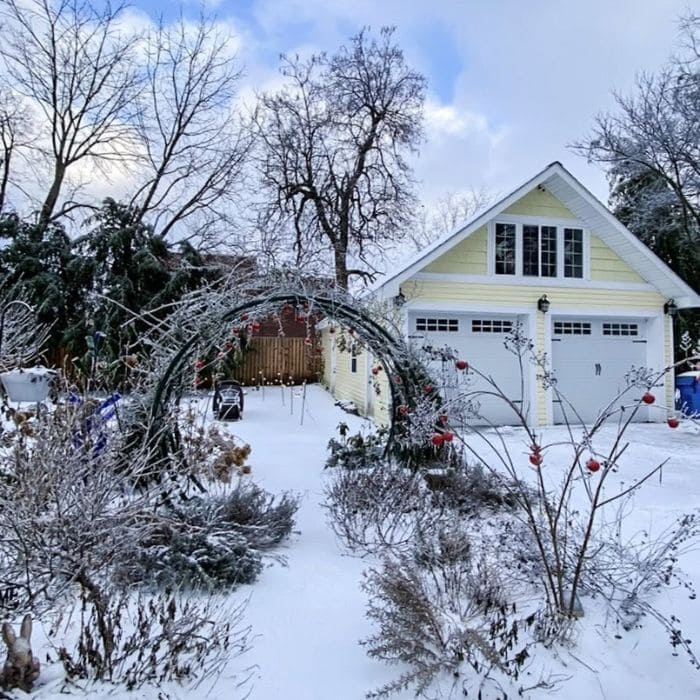
The first sign of change wasn’t visual. It was sound again. Sharp pops echoed from the trees, followed by steady dripping as water began to fall from branches and gutters.
The sun came out briefly, not enough to melt everything, but enough to make the ice glitter so brightly it hurt your eyes to look at it too long.
When he finally opened the front door, it took time. He used a rubber mallet, the same one he normally reserved for delicate woodworking, tapping gently along the ice seal, careful not to splinter the old wood.
He said it felt wrong to rush it, like forcing open something that needed to decide for itself when it was ready.
This house has seen other winters, harsher summers, storms no one bothered to photograph.
But this one left its mark quietly, frozen into these images. The evergreens standing firm. The yard is enduring, and the house is waiting.
What I love most is how human these photos feel. They are steady, observant, patient, just like the man who took them.