Finding the Doors That Were Never Meant to Be Forgotten
ADVERTISEMENT About a month ago, while digging through the garage attic for something, I came across a pair of heavy, dust-covered doors leaning against the rafters. At first glance, they looked unremarkable, almost swallowed by decades of storage, but the moment I noticed their arched tops and divided glass panels, I realized exactly what they…
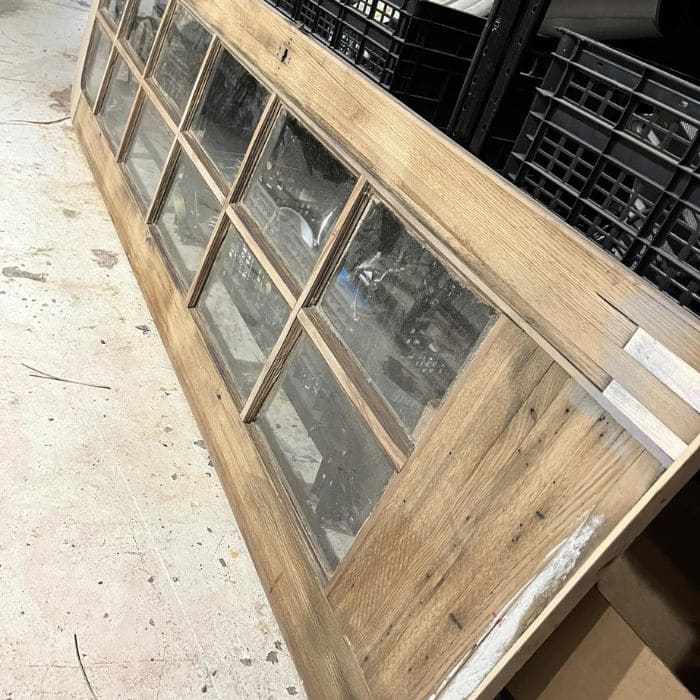
About a month ago, while digging through the garage attic for something, I came across a pair of heavy, dust-covered doors leaning against the rafters.
At first glance, they looked unremarkable, almost swallowed by decades of storage, but the moment I noticed their arched tops and divided glass panels, I realized exactly what they were.
These were the original French doors to our dining room, removed long ago and replaced with something easier, flatter, and far less interesting.
They had been sitting above our heads for years, quietly waiting, and the decision to bring them back into the house felt immediate and non-negotiable.
Understanding the Construction and Age of the Doors
Once the doors were laid out on sawhorses, their age and quality became obvious. Built in the late 1920s, they were constructed with materials and methods rarely seen today.
The veneer alone was astonishingly thick, far heavier than modern veneer, which is often little more than a decorative skin.
This older veneer had depth, resilience, and a grain structure that could survive careful resurfacing without disintegrating.
The rails and stiles were made from dense, tight-grained wood, almost certainly old-growth lumber. This explained both their weight and their durability.
Even the muntins were solid and well-joined, designed to hold glass securely for generations rather than decades.
Removing Nearly a Century of Paint
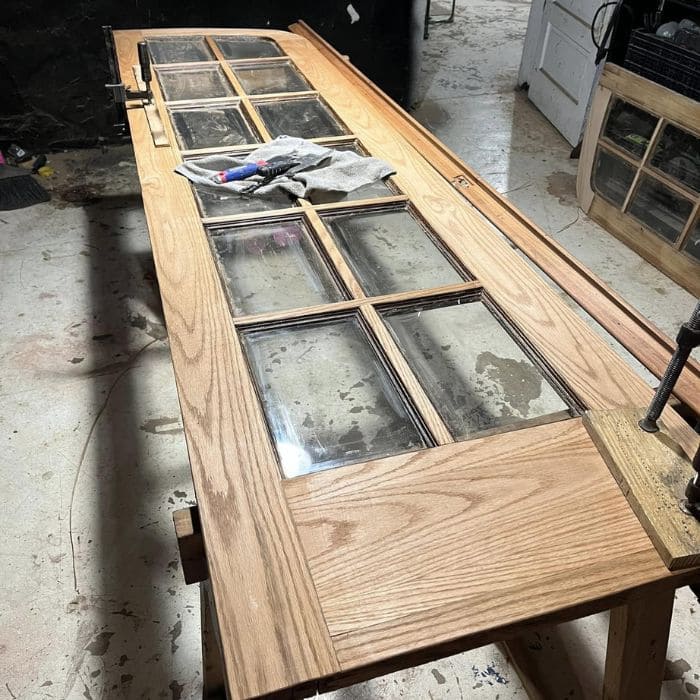
The most time-consuming part of the project was removing approximately 96 years of paint.
These doors had been painted over repeatedly, each layer sealing in the tastes and priorities of a different era.
There was no single original paint layer to stop at, so the goal became complete removal without damaging the wood beneath.
Chemical strippers were used carefully and in stages, never left on too long, and always neutralized properly.
Scraping was done slowly, following the grain and avoiding corners where veneer edges could lift. The muntins were particularly challenging, as paint had pooled and hardened in every joint and profile.
This step alone took days, not because it was technically difficult, but because it demanded patience and restraint.
Full Disassembly to Preserve the Details
To do the job correctly, the doors had to be completely disassembled. Every rail, stile, and muntin was separated, labeled, and laid out in order.
This allowed paint to be removed from areas that would otherwise remain hidden and ensured that joints could be cleaned rather than forced back together later.
Disassembly also revealed how precisely these doors were originally built. Mortise-and-tenon joints were still tight after nearly a century, a testament to the craftsmanship involved.
Instead of prying or widening joints, each one was gently cleaned so it could be reassembled exactly as intended.
Repairing and Replacing Broken Glass
Two of the original glass panes had been broken at some point during the doors’ long storage. Rather than replacing all the glass or using modern precut panes, I chose to hand cut new glass for just the damaged sections.
Old doors are rarely perfectly square, and each pane opening varied slightly, meaning careful measurement was essential.
Cutting the glass by hand allowed each pane to fit precisely, reducing stress on the wood and ensuring the glass would sit properly once installed.
Resurfacing Without Erasing History
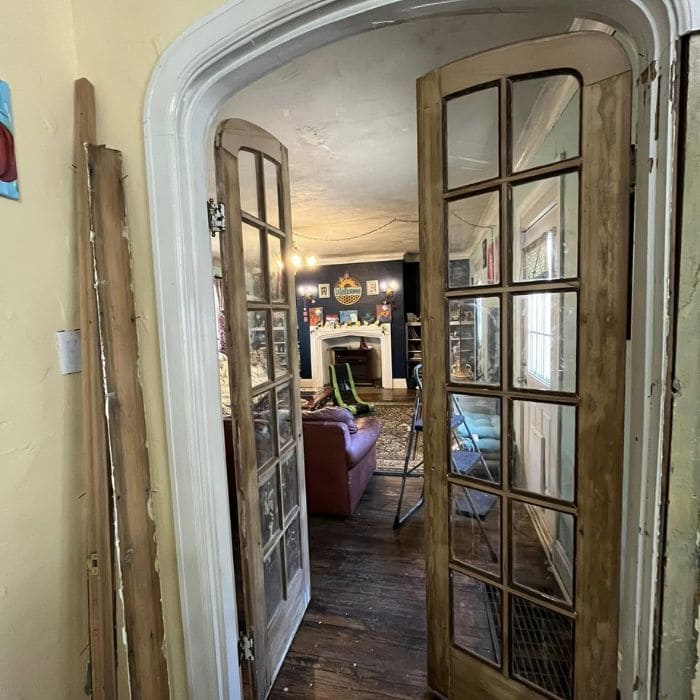
With the paint removed and repairs complete, the wood surfaces were lightly resurfaced, just enough to remove residue and unevenness while preserving tool marks, grain variation, and subtle imperfections.
The goal was never to make the doors look new, but to make them look alive again.
Aggressive sanding was avoided entirely. Instead, hand sanding and fine abrasives were used where necessary, allowing the natural character of the wood to remain visible.
Small dents, faint scratches, and signs of use were left intact as part of the doors’ story.
Oiling the Wood Instead of Sealing It
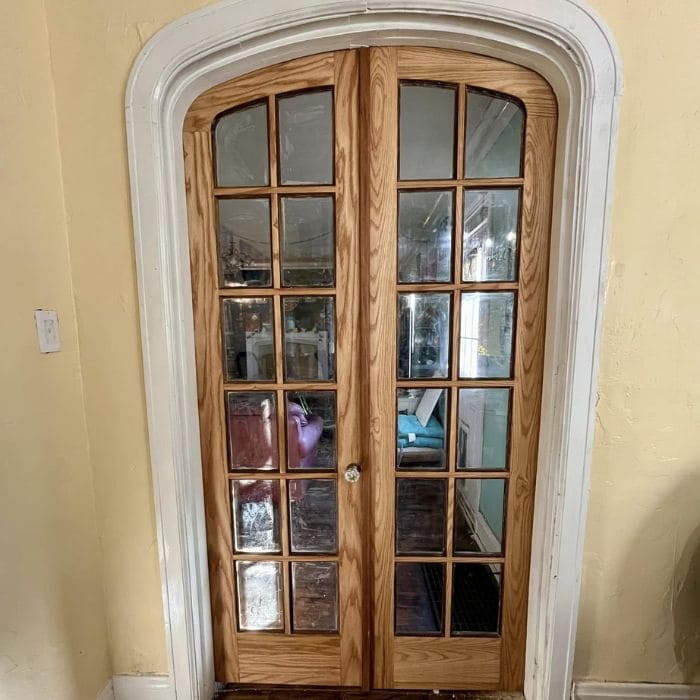
Rather than sealing the doors under a heavy modern finish, I chose to oil the wood.
This approach nourishes old wood rather than encasing it, allowing the grain to deepen and shift with light.
The oil soaked in slowly, revealing dramatic patterns and color variation that paint had hidden for decades.
This finish choice also made sense historically. These doors were built at a time when finishes were meant to age gracefully, not remain static.
Oiling allows future maintenance without stripping everything back again, which felt appropriate for something meant to last another hundred years.
Adding Stained Glass for Privacy and Function
Once the doors were structurally complete, the final decision was the glass itself.
Our dining room doubles as a workspace, and while light was essential, complete transparency was not. Plain clear glass felt too exposed, while modern frosted glass would have clashed with the doors’ age.
Stained glass provided the perfect solution. The chosen pattern is floral and restrained, adding texture and movement without overwhelming the space.
Light passes through softly, creating privacy at the table while maintaining a connection between rooms.
Each pane was installed carefully, seated properly, and secured without stressing the surrounding wood.
Reinstalling the Doors in the Original Opening
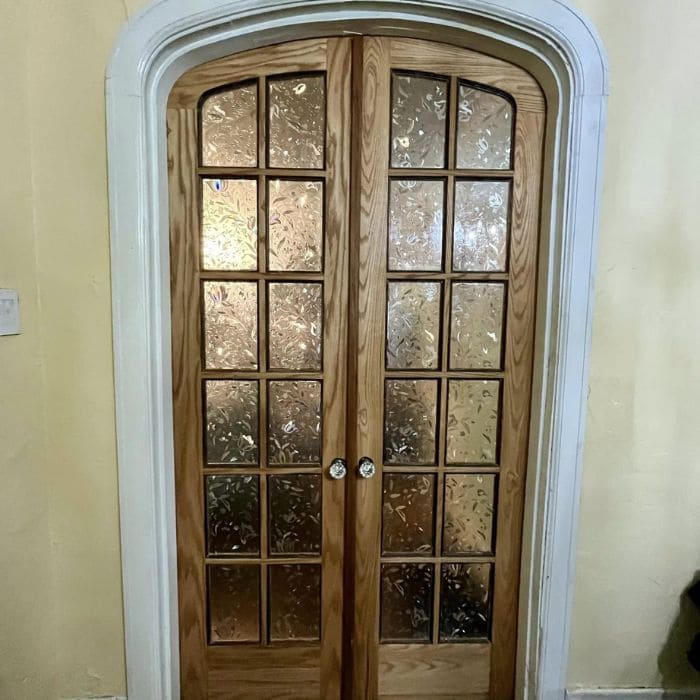
Hanging the doors back into their original arched opening required just as much care as the restoration itself.
Old openings shift over time, and nothing could be assumed to be square or level. Hinges were aligned slowly, adjustments made incrementally, and clearances checked repeatedly.
The existing trim was preserved, and hardware placement respected original wear patterns rather than modern measurements.
Once installed, the doors opened and closed smoothly, settling back into the space as if they had never been removed.