A Quiet Invitation Into My Parents’ Kitchen
ADVERTISEMENT Wow, today I want to guide you into a room that has shaped more of my life than I probably realize. Come with me into my parents’ kitchen. Pause for a second and really look at it. Believe it or not, that stovetop you’re seeing dates back to 1963, and my mom still cooks…
Wow, today I want to guide you into a room that has shaped more of my life than I probably realize.
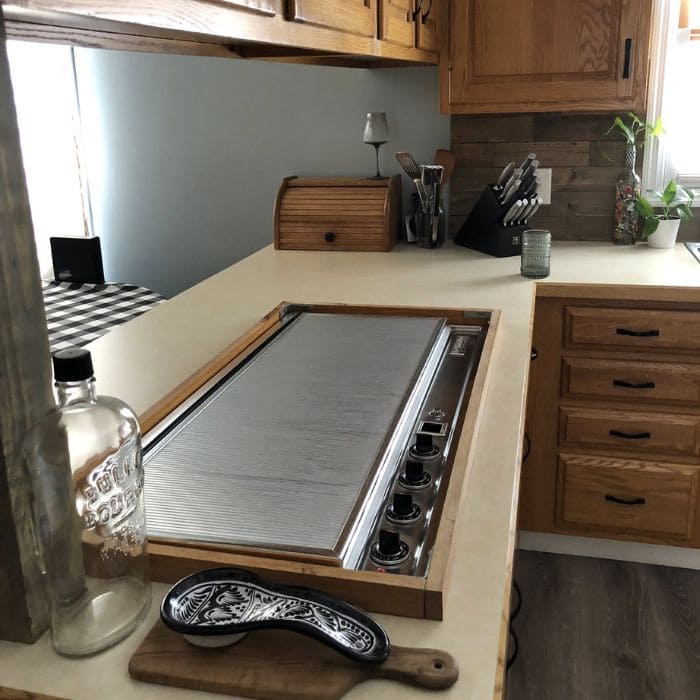
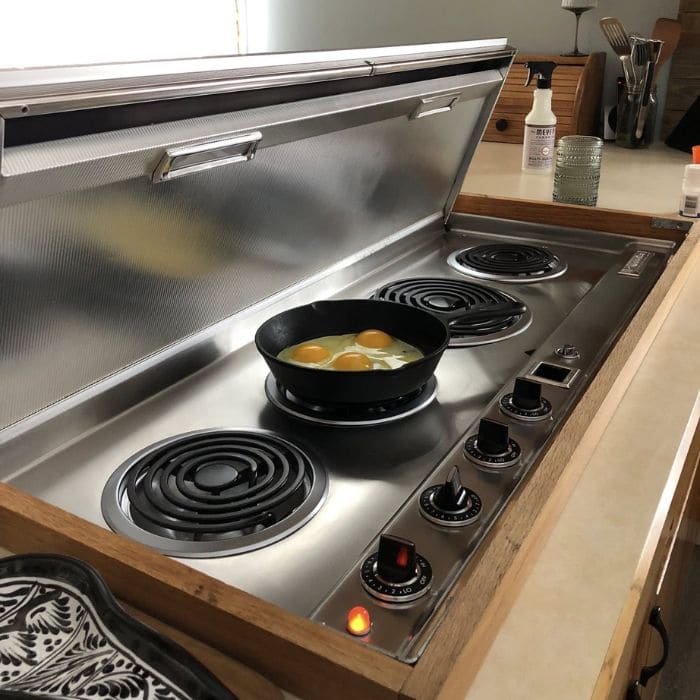
Come with me into my parents’ kitchen. Pause for a second and really look at it. Believe it or not, that stovetop you’re seeing dates back to 1963, and my mom still cooks on it like a champ. Not as a novelty, not as a museum piece. This is her everyday workhorse, and it has fed decades of ordinary, beautiful life.
When people hear 1963, they usually picture something fragile or outdated.
What they don’t picture is clean steel that still shines, knobs that turn with confidence, and burners that heat evenly enough to fry eggs without fuss. This kitchen isn’t frozen in time, it’s alive, used, and respected.
First Impressions: Clean, Calm, and Unapologetically Practical
The first thing that always surprises visitors is how clean everything looks.
Not the showroom clean, not staged, it’s the kind of cleanliness that comes from habit and pride. The counters are clear but not bare.
That old stovetop sits neatly recessed into the counter, framed by wood that has aged softly rather than cracked or warped.
The stainless surface reflects light without glare. You can tell it’s been wiped down thousands of times, but never scrubbed with anger.
The knobs still click into place with a quiet firmness. Even the burner coils sit flat and true, not warped or sagging.
The Tools She Still Uses Every Day
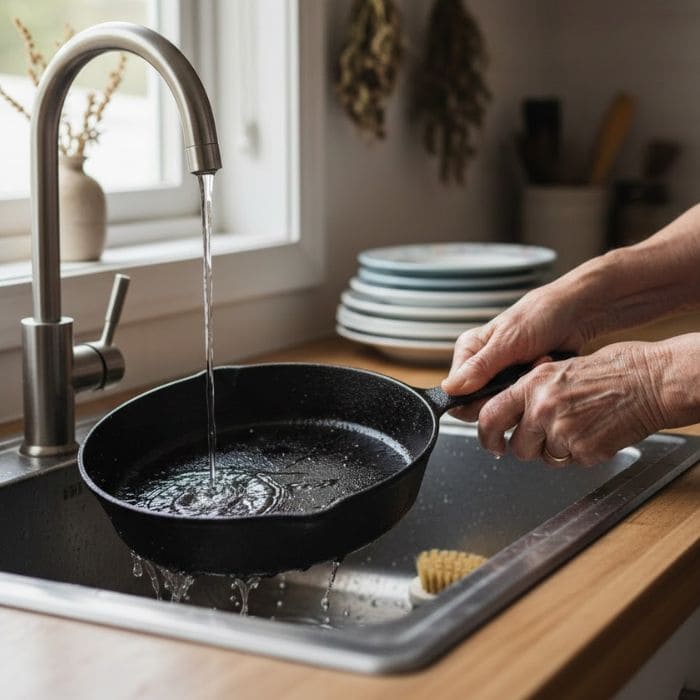
My mom’s tools haven’t changed much over the years. She doesn’t chase trends, she sticks with what proves itself.
Cast iron is her favorite. Heavy pans that hold heat and don’t complain when pushed hard. Wooden utensils live in a crock beside the stove, darkened from years of use but smooth as silk in the hand.
Knives are sharp, practical, and never left soaking in water. She wipes them, dries them, puts them back where they belong.
There’s no drawer stuffed with gadgets that promise shortcuts. If something earned a place in her kitchen, it did so by showing up day after day and doing its job without drama.
How That Stove Came Into the House
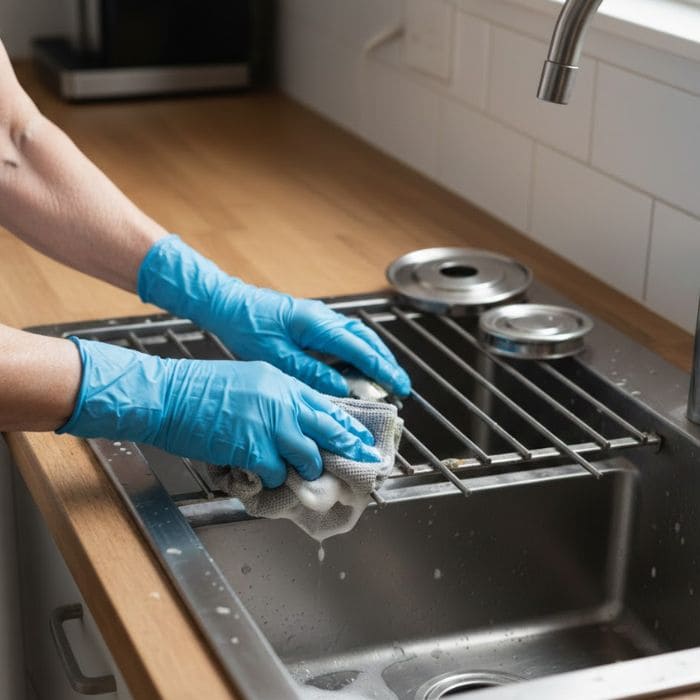
When my parents brought that stove home, it wasn’t pristine. It was solid, but it had lived a life already.
The stainless steel was dull, streaked, and coated with years of old cooking residue. Some people would have looked at it and walked away. My mom didn’t.
Before it ever touched her kitchen, she took it apart as much as she safely could. Panels came off. Knobs were removed. Burner trays were lifted and cleaned separately.
She started with a heavy-duty degreaser, not sprayed casually but worked in with patience. She let it sit long enough to break down the old buildup, then wiped it away slowly, section by section.
Once the grime was gone, she didn’t stop there. She followed with a stainless steel polish, buffing it gently until the surface came back to life.
Her Real Secret: Maintenance, Not Miracles
People always ask her how she kept it looking so good for so long. They expect some complicated answers, the truth is almost boring.
After every use, she cleaned it. Not once a week, not when it looked dirty, every single time.
A quick wipe while the surface was still warm enough to release residue easily, but never hot. She paid attention to splatter before it hardened so grease never got a chance to settle in.
And then there’s her quiet secret weapon: White Cap spray. It’s a canola oil-based food release spray, and she used it sparingly but consistently.
After cleaning, she would lightly mist a cloth, not the stove itself, and wipe the stainless surface.
That thin layer did two things. It made future cleanup easier, and it helped keep the metal from drying out or discoloring over time.
The Way She Preserves It, Step by Step
Even now, her preservation routine hasn’t changed much, and it’s surprisingly specific.
She never lets water sit on the surface. After wiping with a damp cloth, she follows immediately with a dry one.
Burner coils are checked regularly to make sure they’re seated correctly and heating evenly. If one starts to darken unevenly, she addresses it early rather than letting it burn itself into damage.
Once every few months, she removes the knobs and gives them a gentle wash with warm water and mild soap, drying them completely before putting them back.
She checks screws and fittings, tightening anything that feels loose so nothing is allowed to rattle.
Once a year, usually in early spring, she does a slightly deeper clean.
Burners off, panels wiped beneath and a fresh, light polish on the stainless steel.
Why This Kitchen Still Feels Alive
What makes this kitchen special isn’t just its age. It’s the way it has been treated. This stove has never been treated as disposable, it was never assumed to be temporary.
My mom cooked thousands of meals here. Weeknight dinners, holiday mornings, or even quiet lunches when no one else was home.
She leaned on this stove during tired seasons of life, during joyful ones, and during ordinary days that didn’t feel important at the time but now matter the most.
Even now, she moves around that kitchen with ease. She knows exactly how long it takes for each burner to heat.
She adjusts knobs by muscle memory. Eggs slide cleanly from the pan. Sauces simmer without scorching.