I Refused to Stay the Same of My Living Room
ADVERTISEMENT When I moved into this house five years ago, the living room felt like a promise more than a finished space. It was large by city standards, with those wide plaster arches that soften sound, a ceiling that curves instead of meeting corners sharply, and tall leaded-glass windows that pull light in from different…
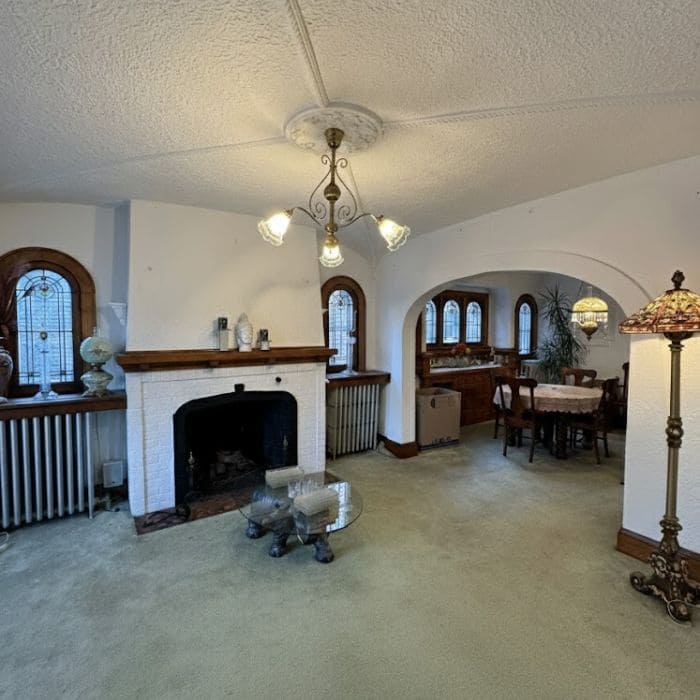
When I moved into this house five years ago, the living room felt like a promise more than a finished space.
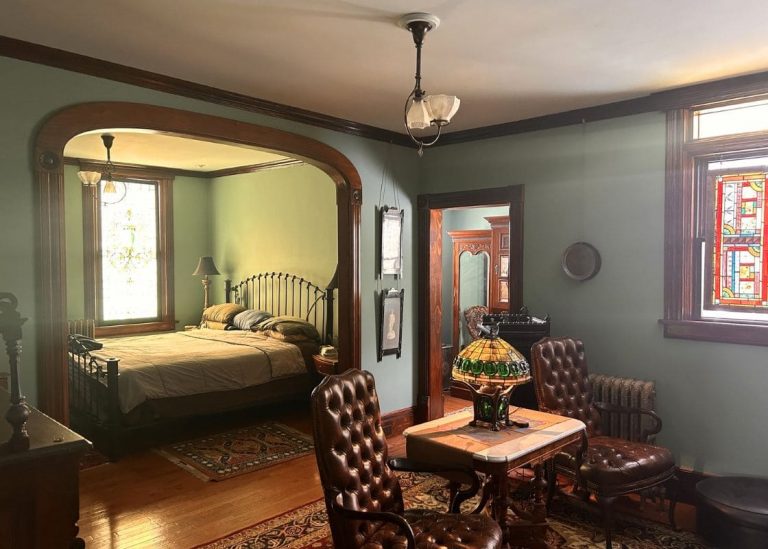
It was large by city standards, with those wide plaster arches that soften sound, a ceiling that curves instead of meeting corners sharply, and tall leaded-glass windows that pull light in from different angles depending on the hour.
At the time, I wanted it open, almost empty on purpose. I hosted often back then.
Friends came over late, sometimes with little notice, carrying bottles wrapped in grocery bags or trays of food still warm from the oven.
We moved chairs constantly, dragged them from room to room, pushed them against the walls when music started.
I liked being able to see the entire wood floor at once, the way the boards ran uninterrupted from the fireplace hearth toward the dining arch. The room felt flexible, and at that stage of my life, flexibility mattered more than comfort.
The floors themselves had just been refinished when I moved in. Narrow oak boards, probably original to the house, sanded down carefully and sealed to a soft gloss that reflected light without looking plastic.
I stood barefoot on them the first week, noticing how cool they stayed even in summer, how sound traveled across them when someone laughed too loudly.
A rug would have softened all of that, and at the time, I didn’t want softness.
Five Years of Living Leaves Traces
Over time, the room taught me, and I learned it back. The parties became less frequent, or at least smaller.
Still, I resisted changing it. The idea of a large rug felt like a commitment I wasn’t ready to make.
Rugs imply permanence. They say, this is where things belong. This is where the table stays. I wasn’t sure yet where I gathered.
Three Months Ago in Yangon
Three months ago, I traveled to Myanmar. I stayed part of the time in Yangon, not far from downtown, close enough to walk to the markets in the early morning when the air is still heavy but quiet.
One morning, just after sunrise, I walked through Bogyoke Aung San Market. It’s a place that feels alive before it feels busy.
Vendors were still arranging their goods, rolling out fabric, stacking baskets, brushing dust from low wooden tables. The smell of tea leaves, metal, incense, and damp concrete blended into something unmistakably local.
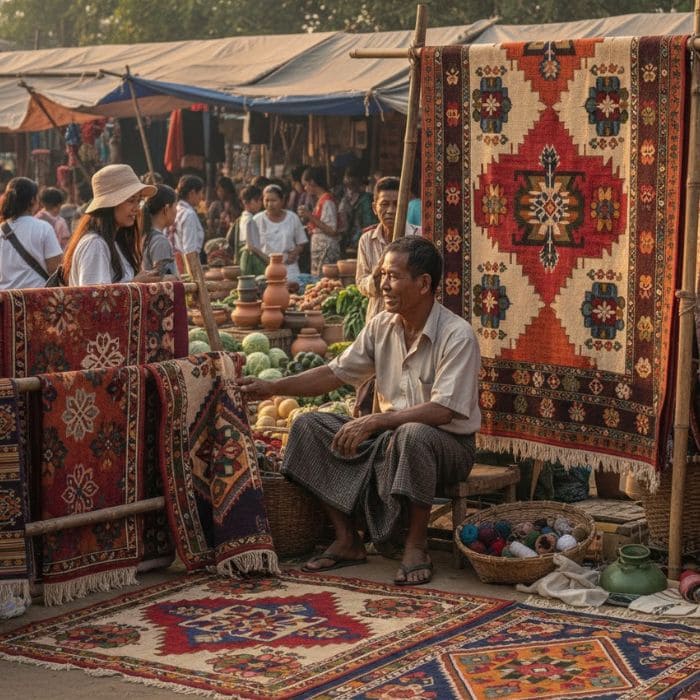
Then I saw it. The rug was folded over itself, leaning against a wooden post near a stall that sold textiles from different regions.
The colors were muted, earthy, worn without being tired. Deep reds softened by age, darker borders that hinted at pattern without shouting it.
I asked the vendor where it came from. He told me it was handwoven in Shan State, near the hills outside Taunggyi, using wool dyed with natural pigments.
He unfolded it slowly, letting it rest on the ground so I could see the full pattern.
The edges weren’t symmetrical. One corner pulled slightly inward. That imperfection was exactly what stopped me. This rug had been used. It had lived somewhere else before it found me.
I bought it that morning. We rolled it tightly, wrapped it in cloth, and arranged shipping through a small logistics office a few streets away. It took nearly six weeks to arrive.
The Rug Arrives, but the Room Isn’t Ready
When the rug finally showed up, it sat rolled in the corner of the living room longer than I expected.
I didn’t unroll it right away. I told myself I was waiting for the right moment, but really, I was waiting for the room to ask for it.
Two weeks ago, that moment arrived quietly.
I noticed how empty the center of the room felt at night. The echoes lingered longer than they used to.
The space that once felt generous now felt unfinished. That’s when I realized the room had changed because I had.
Changing the Floor Changed the Room
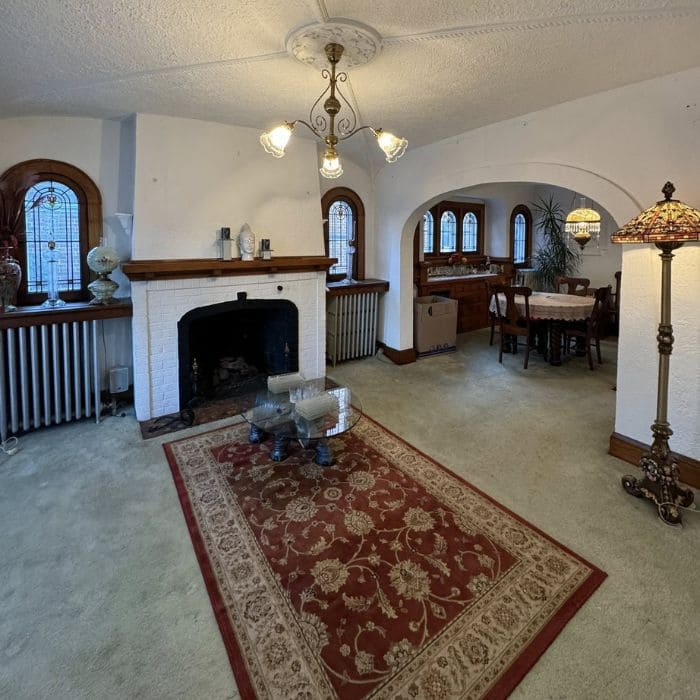
Before laying the rug down, I adjusted the floor itself. I cleaned it thoroughly, moving everything out, wiping down the boards with a mild oil soap to restore some depth to the grain.
I replaced a few felt pads under furniture legs that had worn thin. Small things, but they mattered.
When I finally unrolled the rug, it didn’t land perfectly centered. I adjusted it inch by inch, stepping back repeatedly to see how it aligned with the fireplace, the arches, the windows.
The wood floor didn’t disappear, it framed the rug instead. The shine softened, the sound changed, and conversations felt closer, even when no one was speaking.
Living Rooms Reflect Timing, Not Taste
I used to think decorating was about knowing what you liked. I’ve learned it’s more about knowing when you’re ready.
Five years ago, I needed a room that could hold motion. Now I need one that holds pause. The rug from Myanmar didn’t change the house. It marked a shift that had already happened.
Friends still come over. We still move chairs sometimes. But more often, we sit where the rug tells us to sit. The space no longer asks to be rearranged. It asks to be used.
I think that’s the difference between designing for a life you imagine and living inside the one you actually have.
This living room taught me that habits change faster than we expect, and sometimes the most honest updates come not from trends or plans, but from paying attention to what feels missing when the noise fades.
And for now, what was missing has finally arrived.