Why the Doorknob Is So Low?
ADVERTISEMENT Yesterday evening, I was halfway through making dinner, standing at the kitchen counter with onions on the cutting board and one eye on a pot that was threatening to boil over, when my phone rang. I almost ignored it, because experience has taught me that phone calls during dinner usually mean trouble, but then…

Yesterday evening, I was halfway through making dinner, standing at the kitchen counter with onions on the cutting board and one eye on a pot that was threatening to boil over, when my phone rang.
I almost ignored it, because experience has taught me that phone calls during dinner usually mean trouble, but then I saw the name on the screen and smiled. It was Anna.
Anna and I go back a long way. We worked together years ago in the financial world, back when we both wore sensible shoes and pretended spreadsheets were exciting.
Since then, life has pulled us in different directions, but every now and then she still calls when something puzzling crosses her path, especially if it involves houses with a little age and a lot of personality.
This time, the reason for the call was her son.
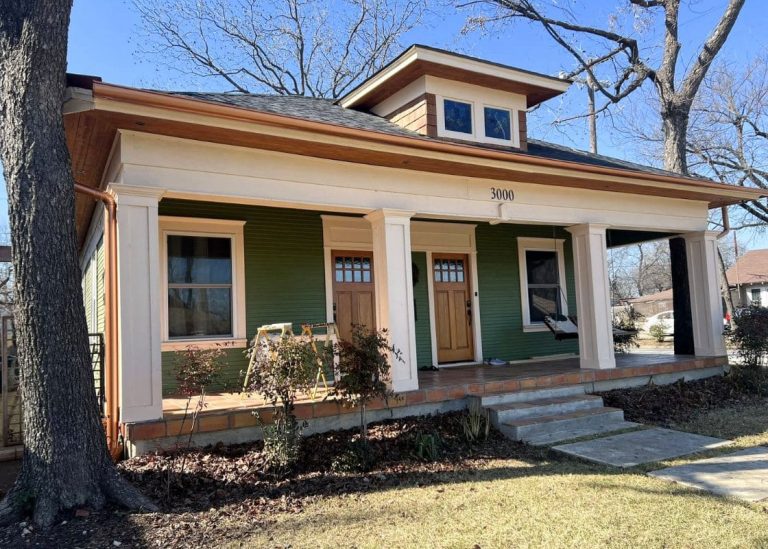
He had just bought his first house, a 1901 home in Alabama, tucked into a quiet neighborhood with mature trees, deep front porches, and streets that still curve instead of running in perfect grids.
It is the kind of house that was built when people expected to stay for life, not flip in five years.
Tall ceilings, plaster walls, original heart pine floors worn smooth by more than a century of footsteps, and windows that were clearly meant to be opened every morning.
Anna sounded excited, proud, and just a little confused.
“James,” she said, “I need to ask you something. My son sent me a photo of the front door, and the doorknob looks… wrong.”
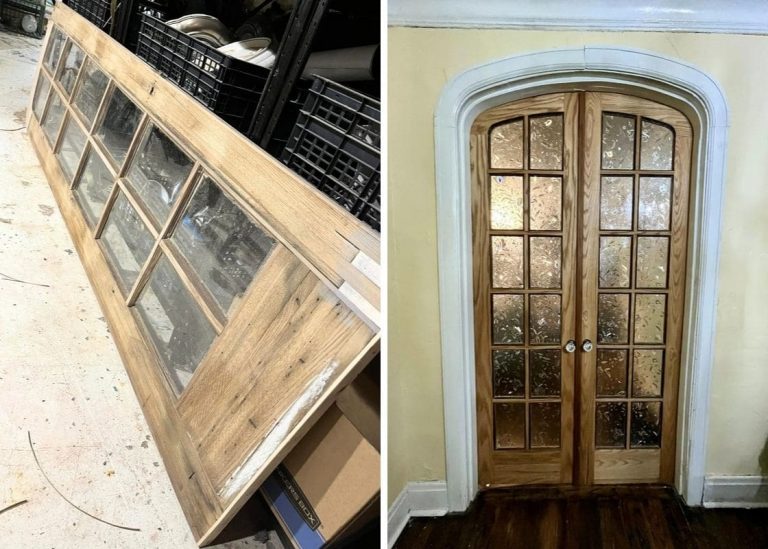
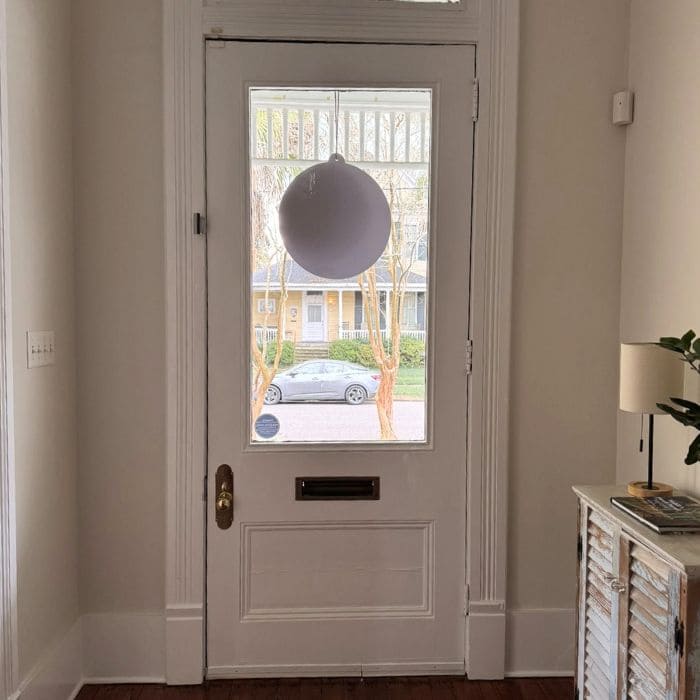
A few seconds later, the photo arrived. The door itself was beautiful. Solid wood, painted white, with a tall glass panel above and a shorter panel below.
The hardware was original or at least very old, with a brass knob that had been polished by generations of hands.
The only thing unusual was the placement. The knob sat low, much lower than what we are used to today, about two and a half feet from the floor.
Anna wanted to know if something was broken, if the door had sagged, or if this strange placement could cause problems over time.
I laughed, partly because I knew exactly what she was looking at, and partly because I had been asked this question more times than I could count.
I told her to sit down, because the answer wasn’t short, and it certainly wasn’t boring.
The First Time I Saw a Door Like This
The first time I encountered a low doorknob like this was years ago, during a showing in Savannah, Georgia.
The house dated back to the late 1890s, and everything about it felt tall, narrow, and slightly dramatic. The ceilings soared, the windows stretched upward like they were trying to escape the walls, and even the door panels seemed elongated.
When I reached for the knob, my hand went too high and met nothing but air.
I adjusted, grabbed the knob lower than expected, and immediately felt the weight and balance of the door. It swung smoothly, without strain, and closed with a solid, confident sound.

The homeowner noticed my pause and laughed. He told me every visitor did the same thing, reaching too high at first, then smiling once they realized the door wasn’t wrong. It was simply honest about its age.
That door had never cracked its glass, never loosened its joints, and never needed modern reinforcement.
It had survived storms, humidity, and more than a century of use because it was built with intention, not standards pulled from a rulebook that did not yet exist.
A Second Story, and a Broken Assumption
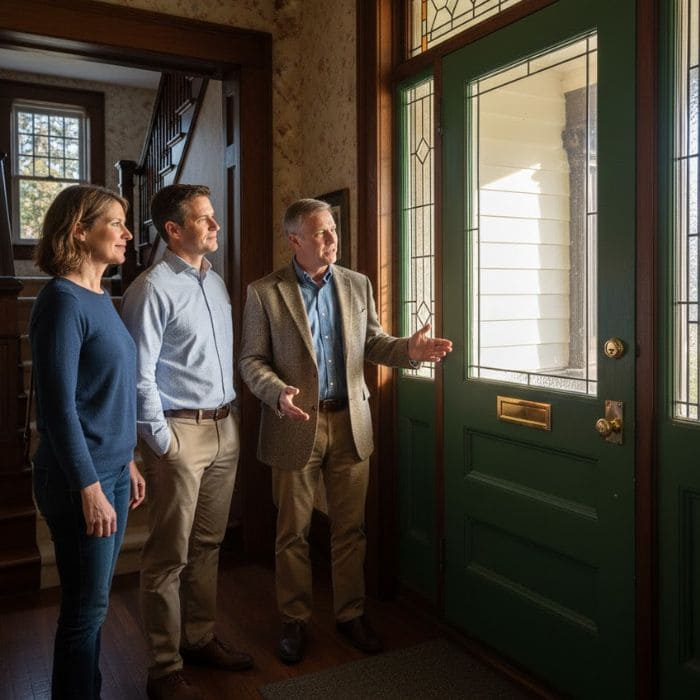
The second time this question came up was during a renovation consultation in New Jersey, in a Victorian house from the 1880s.
The new owners were considering replacing the front door because, in their words, “the knob is way too low.” Before they ordered anything, I asked them to let me inspect it more closely.
The door had a large glass panel occupying most of the upper section, with solid rails above and below. The knob was placed exactly where the strongest horizontal rail intersected the stile, creating structural balance.
If that knob had been placed higher, closer to the glass, every time the door was shut, force would have traveled across the glass instead of through solid wood.
Over time, that repeated stress would almost certainly have cracked or loosened the glass. The low placement wasn’t a mistake, it was protection.
Once I explained this, the owners decided to keep the door, restore the hardware, and adjust their expectations rather than the architecture.
Why Doors Were Designed This Way
I explained to Anna that in the early 1900s, door hardware placement was not standardized the way it is today.
Builders did not measure from the floor up and declare a universal height. Instead, they looked at the door itself.
Victorian and early twentieth-century doors often featured much taller top panels and shorter bottom panels.
This wasn’t accidental. Builders wanted to emphasize vertical height, making rooms feel grander and ceilings feel higher than they actually were. The eye was drawn upward, guided by elongated panels and tall proportions.
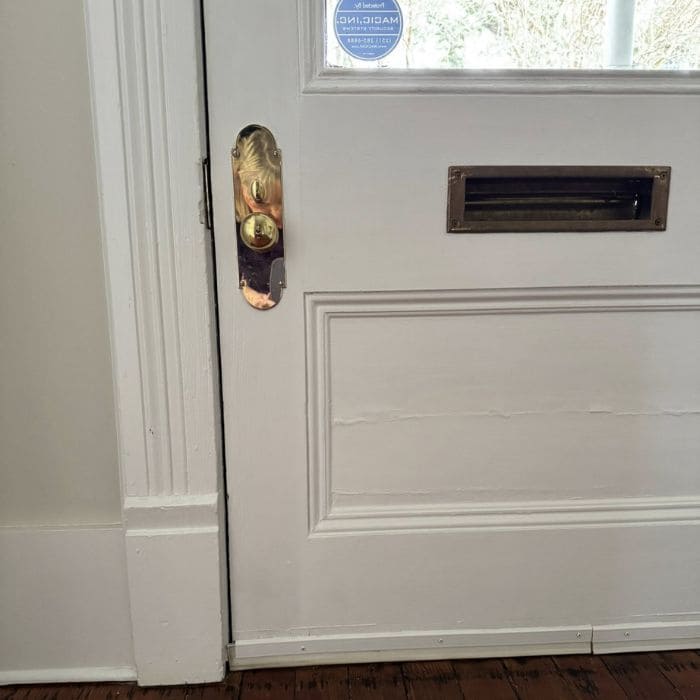
Because the bottom panels were shorter, the strongest location for the knob naturally fell lower. Placing it between the top and bottom panels, aligned with the solid rails, made the door both visually balanced and structurally sound.
This had nothing to do with people being shorter back then, a myth that refuses to die. It had everything to do with craftsmanship, materials, and an understanding of how wood, glass, and movement interact over decades.
Modern door-knob height standards came much later, driven by mass production, accessibility guidelines, and convenience.
Older homes followed different rules, and those rules were often smarter than we give them credit for.
Does It Affect the Door Today?
Anna’s next question was practical, as expected.
“Is it bad for the door now?” she asked.
I told her the truth. If the door has survived more than a hundred years without cracked glass or warped joints, then the knob placement is doing exactly what it was meant to do. Changing it would introduce stress where none currently exists.
I advised her son to leave it as is, clean and lubricate the hardware, and enjoy the daily reminder that his house was built by people who thought in centuries rather than seasons.
What I Love About Questions Like This
Calls like Anna’s are one of the reasons I still love talking about old houses. A single photo, a single detail, opens a door to history, craftsmanship, and decisions made long before building codes and power tools.
That low doorknob is not a flaw. It is a conversation starter. It is a quiet lesson in how design once followed materials instead of trends.
I told Anna to tell her son that his door isn’t wrong, broken, or outdated. It is simply older than the rules we’re used to following, and wiser because of it.
And before we hung up, she laughed and said she would never look at doors the same way again.
Neither will her son, every time he reaches down, opens that door, and steps into a house that has been doing things its own way since 1901.